
Smart Buying Tips

Before You Buy Anything: A Pre-Purchase Decision Checklist

Before You Buy Anything: A Pre-Purchase Decision Checklist

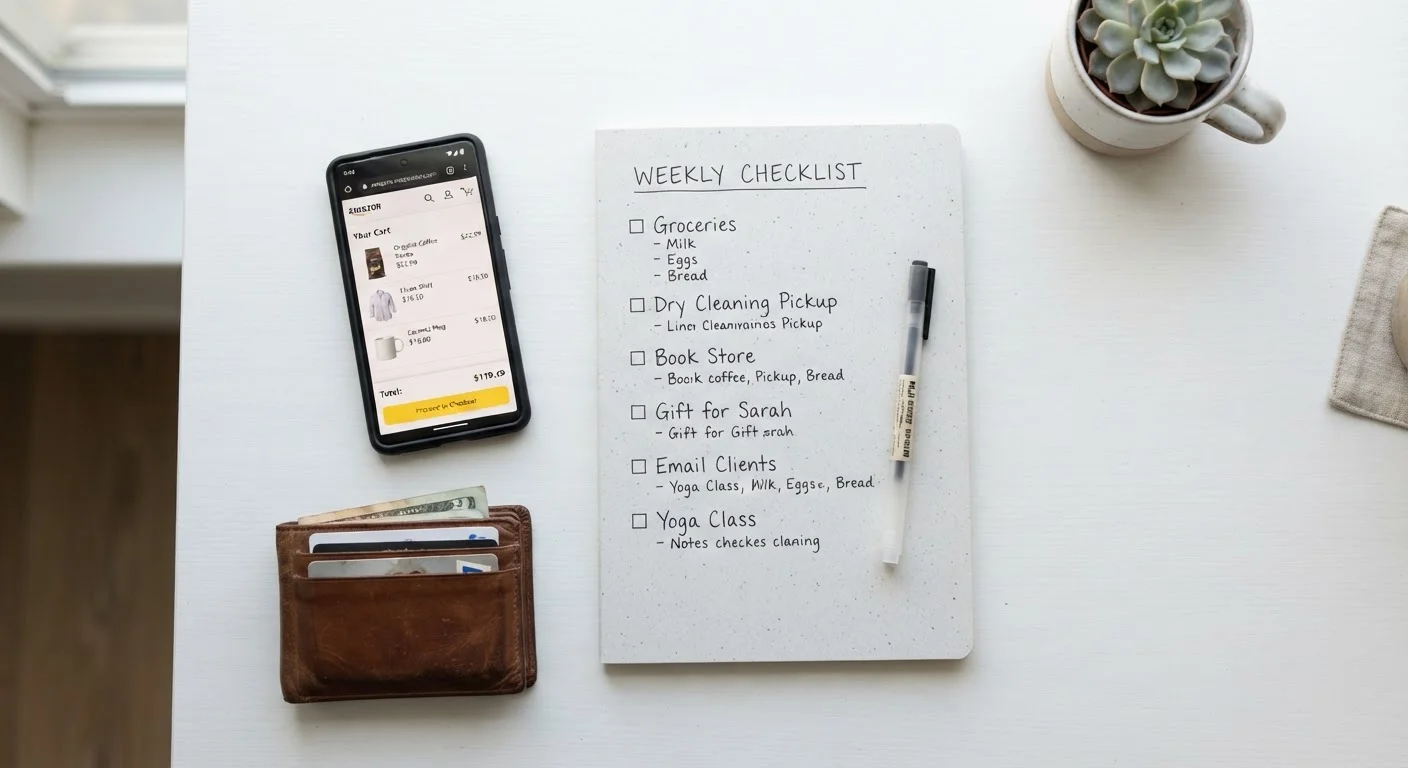
Photo: InsightsChief.com | Your Source Of Trusted Insights editorial

Run through this quick checklist before any significant purchase to avoid regret, overspending, and buying the wrong thing.

Key Takeaways

  • Clarifying the actual need before buying prevents impulse purchases that don't solve the real problem.
  • Checking your budget and opportunity cost protects you from spending money you can't afford to spend.
  • Timing a purchase around predictable sale cycles can reduce what you pay without requiring coupons.
  • Verifying return policies and warranties before checkout reduces financial risk if the item disappoints.
  • A short waiting period — even 24 hours — significantly reduces regret-driven purchases.

Why a Pre-Purchase Checklist Works

Most overspending isn't the result of ignorance — it's the result of skipping steps. You know you should comparison shop. You intend to check the return policy. But friction, enthusiasm, and time pressure conspire to push you straight to checkout.

A structured checklist interrupts that pattern. It forces a brief pause that separates impulse from intent. This checklist is designed to work for any significant purchase — appliances, electronics, furniture, tools, or a big-ticket service — in under 20 minutes. For smaller everyday purchases, run the condensed version mentally in about two minutes.

For a deeper dive into evaluating unfamiliar product categories, see our guide to evaluating products you know nothing about. And once you've decided to buy, our pre-shopping coupon checklist ensures you're not leaving valid discounts behind.

Clarify the Need

Write down the specific problem this purchase is meant to solve — not the product you want, but the underlying need. Must
Ask whether you already own something that could meet this need adequately, even if imperfectly. Must
Confirm that this purchase addresses the real problem and not a symptom of a different issue. Must
Consider whether renting, borrowing, or a one-time service could satisfy the need without ownership. Should

Budget and Affordability

Confirm the full cost — including tax, shipping, installation, accessories, and ongoing operating costs — fits within your current budget. Must
Identify what you would give up to afford this purchase (the opportunity cost) and decide whether the trade-off is acceptable. Must
Avoid financing a depreciating item unless you have a concrete repayment plan and understand the total interest cost. Should
Check whether a store loyalty program, cashback card, or existing credits can offset part of the cost without additional spending. Nice to have

Research and Alternatives

Read at least five independent user reviews from verified purchasers, focusing on complaints rather than praise. Must
Identify at least two alternatives in the same category and note the key trade-offs between them. Should
Verify that the specification or feature driving your choice actually matters for your use case, not just on paper. Should
Check whether a previous model, a refurbished unit, or an open-box item would meet your needs at a lower price. Nice to have

Timing and Price Confidence

Check whether this product category has predictable sale periods (e.g., appliances around major holidays, electronics post-launch) and whether waiting is feasible. Should
Use a price history tool or tracker to confirm the current price is not artificially inflated before a promotional discount. Should
Apply the 24-hour rule for any non-urgent purchase over $50 — revisit after a full day to confirm the desire holds. Must

Risk and Protection

Read the return and exchange policy before purchasing, not after — note the window, condition requirements, and any restocking fees. Must
Confirm what the manufacturer's warranty covers and for how long; note any registration requirements to activate coverage. Must
For high-value purchases, check whether your credit card provides purchase protection or extended warranty benefits as a cardholder perk. Should
Evaluate whether an extended service plan is genuinely cost-effective given the item's expected lifespan and repair cost relative to replacement cost. Nice to have

Final Go / No-Go Check

Confirm you can clearly articulate why this specific item, at this price, from this seller, is the right choice — if you can't, keep researching. Must
Ask yourself whether you'd be comfortable explaining this purchase to someone who manages their finances carefully. Should

How to Use This Checklist Most Effectively

Work through each group in order — they're sequenced intentionally. The first two groups (Need and Budget) are filters: if an item fails those checks, you can stop there. The later groups add detail only for purchases that have already cleared the fundamentals.

Urgency Is Often a Sales Tactic

"Limited time" and "only 3 left" prompts are designed to bypass deliberate thinking. Genuine scarcity is rarely as acute as it appears, and most sale prices recur. If a deal evaporates before you complete this checklist, it almost certainly was not the last opportunity to buy that item at a reasonable price.

For high-value service purchases — a contractor, a repair professional, a subscription plan — the same logic applies, but the stakes are higher. Our contractor vetting guide extends these principles into that specific territory.

If you're shopping for family or household needs — whether that's parenting essentials or pet care supplies — apply the same checklist. The framework is category-agnostic. For the full strategic picture behind smart consumer decision-making, the complete consumer decision guide covers every stage from need definition to post-purchase evaluation.

Financing Changes the True Cost

When a purchase is financed, the sticker price is not the real cost — total interest paid is. Before agreeing to any installment plan or deferred payment offer, calculate the total amount you will pay over the full term. For significant purchases, consult a financial professional if you are unsure whether financing fits your situation. This article provides general consumer information and is not personalized financial advice.

Savvy Shopping Editorial Team

InsightsChief.com | Your Source Of Trusted Insights

Savvy Shopping Editorial Team is the collective byline for our editorial team and contributor network. Articles published under this byline or an editorial pen name are researched, written, and reviewed according to our editorial standards for clarity, consistency, and independence before publication.

Coupons & Promo CodesCashback & RewardsSmart Buying Tips
View author profile

The content provided on our blog site traverses numerous categories, offering readers valuable and practical information. Readers can use the editorial team’s research and data to gain more insights into their topics of interest. However, they are requested not to treat the articles as conclusive. The website team cannot be held responsible for differences in data or inaccuracies found across other platforms. Please also note that the site might also miss out on various schemes and offers available that the readers may find more beneficial than the ones we cover.