
Plumbing Maintenance Myths That Could Cost You

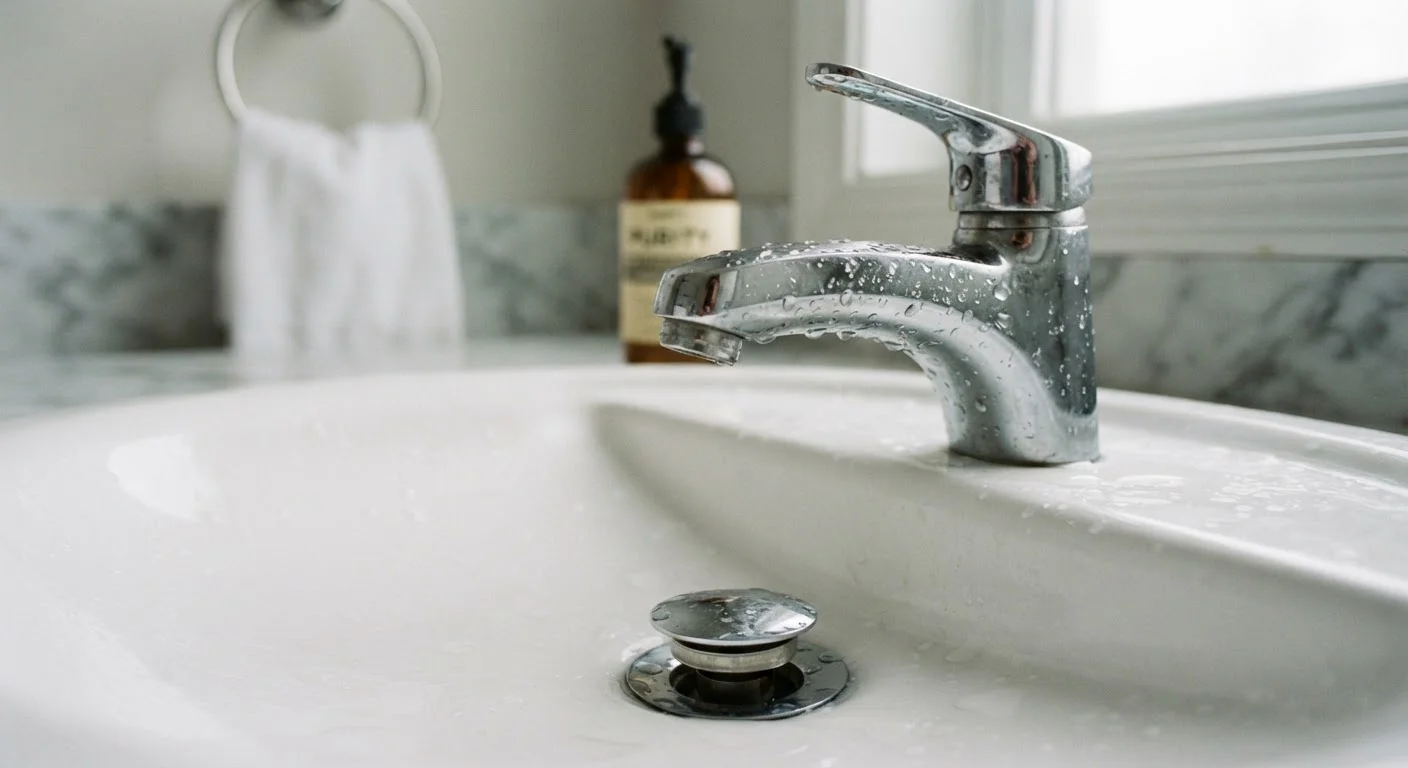
Photo: InsightsChief.com | Your Source Of Trusted Insights editorial
Key Takeaways
- Flushable wipes do not break down like toilet paper and commonly cause sewer blockages.
- A slow drain is an early warning sign, not a minor nuisance to ignore.
- Running water while using a garbage disposal does not neutralize grease buildup.
- Chemical drain cleaners can corrode older pipes, worsening the problem over time.
- Most plumbing leaks worsen gradually - catching them early typically costs far less to fix.
Why Plumbing Myths Are Especially Costly
Plumbing is one of those home systems that stays out of sight and, as a result, often out of mind. That invisibility makes it fertile ground for misconceptions - habits passed along as common sense that, on closer inspection, quietly accelerate wear and lead to avoidable repairs.
The financial stakes are real. Minor plumbing problems ignored or mismanaged can escalate into water damage, mold remediation, and pipe replacement - expenses that dwarf what routine attention would have cost. Understanding what's actually true about how your plumbing works is one of the most practical things a homeowner can do. For a broader look at how deferred upkeep compounds over time, see what happens when home maintenance is put off.
Myth
Flushable wipes are safe to flush - the label says so.
Fact
Most wipes labeled 'flushable' do not disintegrate adequately in residential sewer systems and are a leading cause of drain blockages.
Unlike toilet paper, which is engineered to break apart rapidly in water, most wipes - even those marketed as flushable - retain their structure long enough to snag on pipe joints, root intrusions, or partial blockages further down the line. Municipal water utilities across the country have documented significant increases in pump clogs and sewer backups attributed to wipes. The safest rule: only toilet paper goes in the toilet.
Myth
A slow drain is just a minor annoyance - it'll clear up on its own.
Fact
Slow drains signal a developing blockage that will almost always worsen without intervention.
Hair, soap residue, and grease accumulate incrementally. A drain that empties slowly today is likely to back up completely within weeks or months. Early intervention - a drain snake or a simple enzyme-based cleaner - is far less disruptive and less costly than addressing a full backup or the pipe damage that can follow standing water. Think of a slow drain the same way you'd think of a slow leak: a prompt response limits the damage.
Myth
Running water while using the garbage disposal flushes grease safely through the pipes.
Fact
Water does not prevent grease from solidifying and accumulating inside drain pipes.
Grease, oils, and fats cool and solidify as they travel through your plumbing, regardless of how much water accompanies them. Over time, this coating narrows the effective diameter of pipes and creates a surface for other debris to cling to. The better practice is to collect cooking grease in a container and dispose of it in the trash. Running water while using a disposal is still worthwhile - it helps move food particles - but it offers no protection against fat and oil buildup.
Myth
If there's no visible leak, your plumbing is fine.
Fact
Many plumbing leaks develop slowly and remain hidden inside walls, under slabs, or beneath fixtures for months before showing visible signs.
A steadily elevated water bill with no change in usage habits is one of the most reliable early indicators of a hidden leak. Other signs include unexplained damp spots on walls or ceilings, soft flooring near fixtures, and mold odor without an obvious source. Periodic checks of your water meter - comparing readings when all fixtures are off - can help detect slow leaks before they cause structural damage. The cost of delayed plumbing repairs tends to grow quickly once moisture reaches framing or subfloor materials.
Myth
Chemical drain cleaners are the most effective way to clear any blockage.
Fact
Chemical cleaners are effective only on certain types of clogs and can damage pipes when used repeatedly or inappropriately.
Caustic and acidic drain cleaners work by generating heat and dissolving organic material. However, this same chemical reaction can soften PVC joints, corrode older metal pipes, and leave residue that hardens inside the drain. For hair clogs near the surface, a drain snake or a simple plastic hair-removal tool is typically more effective and far safer for your pipes. Enzymatic drain treatments are a gentler alternative for routine maintenance, though they work more slowly.
Building Better Plumbing Habits
Correcting these myths points toward a straightforward set of habits: treat your drains as entry points to a system, not a disposal mechanism; monitor your water bill for unexplained changes; and address slow performance early rather than waiting for a complete failure.
Chemical Drain Cleaners Carry Real Risks
Your home's drainage system works in concert with gutters and exterior water management. Understanding how water moves through your home's drainage system helps prevent problems from developing both inside and outside. Similarly, the same principle of proactive attention applies across many home systems - as explored in the broader context of home improvement myths that cost homeowners money.
When to Call a Licensed Plumber
Good plumbing maintenance doesn't require specialized knowledge for every task. It requires accurate information, a willingness to act on early warning signs, and knowing when a job calls for a licensed professional rather than a DIY fix.
The content provided on our blog site traverses numerous categories, offering readers valuable and practical information. Readers can use the editorial team’s research and data to gain more insights into their topics of interest. However, they are requested not to treat the articles as conclusive. The website team cannot be held responsible for differences in data or inaccuracies found across other platforms. Please also note that the site might also miss out on various schemes and offers available that the readers may find more beneficial than the ones we cover.