
Tracking Progress Without a Gym: Metrics That Tell the Real Story

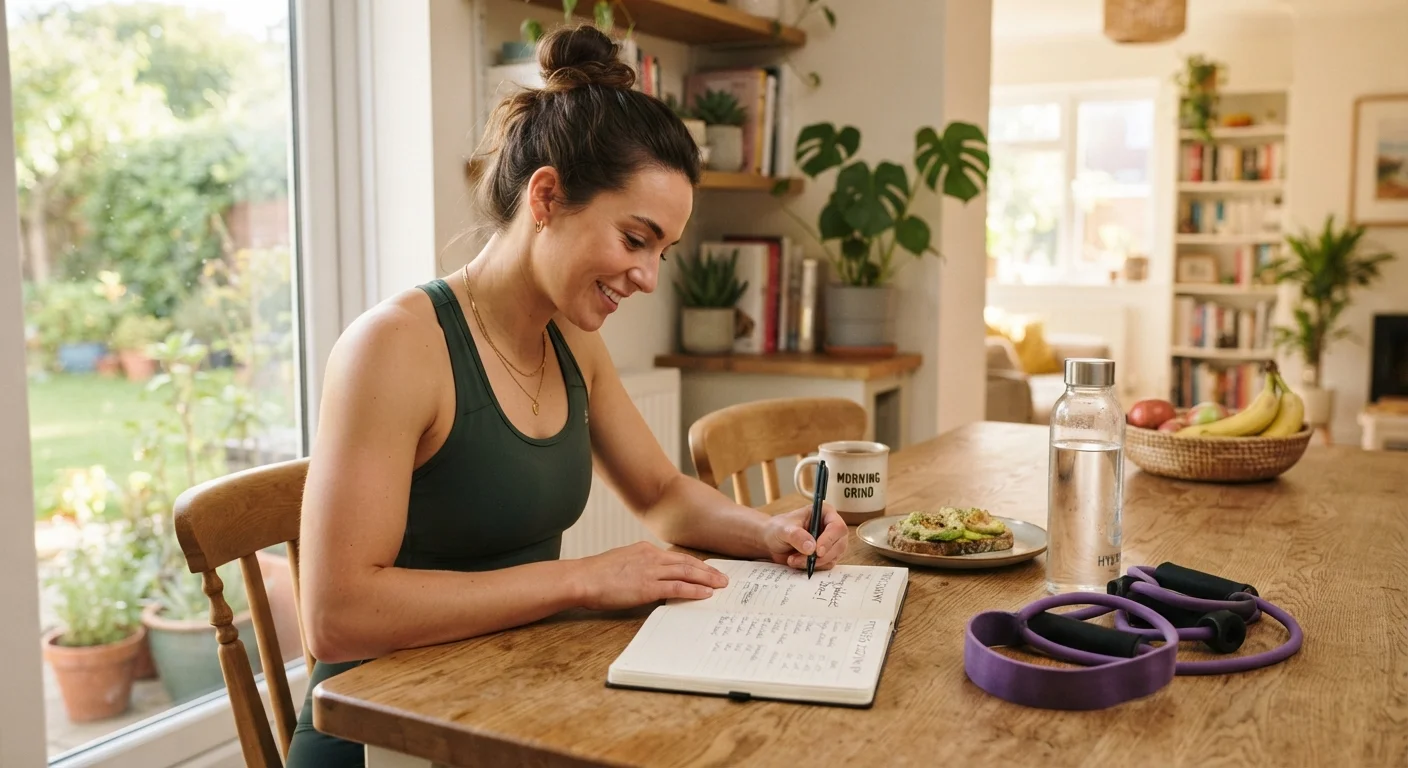
Photo: InsightsChief.com | Your Source Of Trusted Insights editorial
Key Takeaways
- Scale weight fluctuates daily and rarely captures meaningful fitness improvements on its own.
- Functional metrics like reps completed, rest time needed, and perceived effort reveal genuine progress.
- Tracking multiple indicators together gives a more accurate and motivating picture of overall health.
- Most effective progress metrics require no special equipment or paid apps to measure.
- Consistent measurement habits matter more than the specific tools or methods you choose.
Why the Scale Keeps Letting You Down
For most families building a home fitness routine, the bathroom scale is the default progress tracker. It's simple, immediate, and familiar. But body weight can shift by several pounds in a single day based on hydration, sodium intake, hormonal cycles, and digestive activity - none of which reflect your actual fitness trajectory. Relying on scale weight alone can make genuine progress invisible, and setbacks feel devastating when they're often just noise.
The good news is that meaningful fitness progress leaves evidence everywhere - in how your body moves, how you recover, and how you feel day to day. The metrics below don't require a gym membership, expensive wearables, or advanced tracking software. They require attention and a little consistency. If you're also curious how your overall activity patterns compare to structured workouts, see our comparison of walking versus structured exercise for context.
Repetitions and Sets Completed
One of the clearest signs of growing fitness is your ability to do more work than before. If you could complete 8 push-ups in week one and you're now completing 14 with good form, that's measurable, concrete progress - regardless of what the scale says. Log your reps and sets after each session. Over weeks, the upward trend becomes its own motivation.
This pairs naturally with the principle of progressive overload at home, which describes how systematically increasing the demands on your body drives long-term improvement.
More reps with better form is unambiguous evidence that your body is adapting and growing stronger.
Resting Heart Rate
Resting heart rate - measured first thing in the morning before getting up - is a reliable indicator of cardiovascular fitness. As the heart becomes more efficient through regular exercise, it typically pumps more blood per beat, and the resting rate tends to decrease over time. You can measure this with just two fingers on your wrist and a timer. Tracking it weekly costs nothing and reveals trends that body weight never could.
Note that resting heart rate varies between individuals and is influenced by factors including age, sleep quality, stress, and hydration. A single reading means little; a trend over several weeks is what matters. If you notice unusually elevated readings alongside other symptoms, consult a healthcare professional.
A gradually declining resting heart rate is one of the clearest signs your cardiovascular fitness is improving.
Recovery Time Between Efforts
Notice how long it takes to catch your breath after a challenging set or bout of cardio. Early in a fitness routine, recovery can take several minutes. As fitness improves, your body clears metabolic byproducts more efficiently, and recovery shortens noticeably. You can track this informally - simply note how you feel 90 seconds after a hard set - or time it with a phone stopwatch. The pattern over weeks is informative.
Shorter recovery time between hard efforts signals real cardiovascular and muscular adaptation in progress.
Body Measurements
Circumference measurements - waist, hips, upper arms, thighs - often shift in meaningful ways when scale weight doesn't. This happens because muscle tissue and fat tissue have different densities; body composition can change substantially while total weight stays flat. A soft measuring tape costs very little. Take measurements monthly under consistent conditions (same time of day, same posture) for the most reliable comparison.
Tape measurements capture changes in body composition that the scale completely misses.
Perceived Exertion at a Fixed Effort
Choose a benchmark activity - say, a 15-minute bodyweight circuit or a brisk 20-minute walk - and periodically note how hard it feels. Researchers use structured tools like the Rate of Perceived Exertion (RPE) scale, where you rate effort from 1 (very light) to 10 (maximum). If the same workout that felt like a 7 out of 10 now feels like a 4 or 5, your fitness has objectively improved, even if nothing else has changed visibly.
When the same workout feels noticeably easier, that subjective shift is objective evidence of real adaptation.
Sleep Quality and Daily Energy
Regular physical activity is associated with improved sleep quality and steadier daytime energy in the general population, though individual responses vary. Keeping a brief daily log - a 1-5 rating of sleep quality and morning energy - takes under a minute and, over months, reveals meaningful patterns. Improving trends in these areas often precede visible physical changes, making them valuable early-stage motivators for families just starting out.
See our guide on fitting fitness into a busy schedule for strategies that make consistent tracking realistic even on hectic days.
Steadier energy and better sleep are often the first signs that a new exercise routine is working.
Putting It All Together
No single metric tells the whole story. The most useful approach is to choose three or four indicators that feel meaningful and track them consistently - weekly or biweekly is often enough. A simple notebook works as well as any app. If you're curious about the tradeoffs of digital tracking tools, our look at smartphone health tracking covers the benefits and limitations honestly.
Progress in home fitness is real and measurable - it just doesn't always show up where we've been trained to look. Over time, these metrics compound: better endurance enables harder sessions, which build more functional strength, which improves daily energy. If you notice your numbers plateauing, that's worth examining too - understanding why home workouts stall can help you restart momentum without adding equipment or gym costs.
This article is for general informational and educational purposes only and does not constitute medical advice. Consult a qualified healthcare professional before beginning any new exercise program, especially if you have an existing health condition.
Start With Just Two or Three Metrics
The content provided on our blog site traverses numerous categories, offering readers valuable and practical information. Readers can use the editorial team’s research and data to gain more insights into their topics of interest. However, they are requested not to treat the articles as conclusive. The website team cannot be held responsible for differences in data or inaccuracies found across other platforms. Please also note that the site might also miss out on various schemes and offers available that the readers may find more beneficial than the ones we cover.