
Where Family Grocery Nutrition Goes Wrong-and How to Course Correct

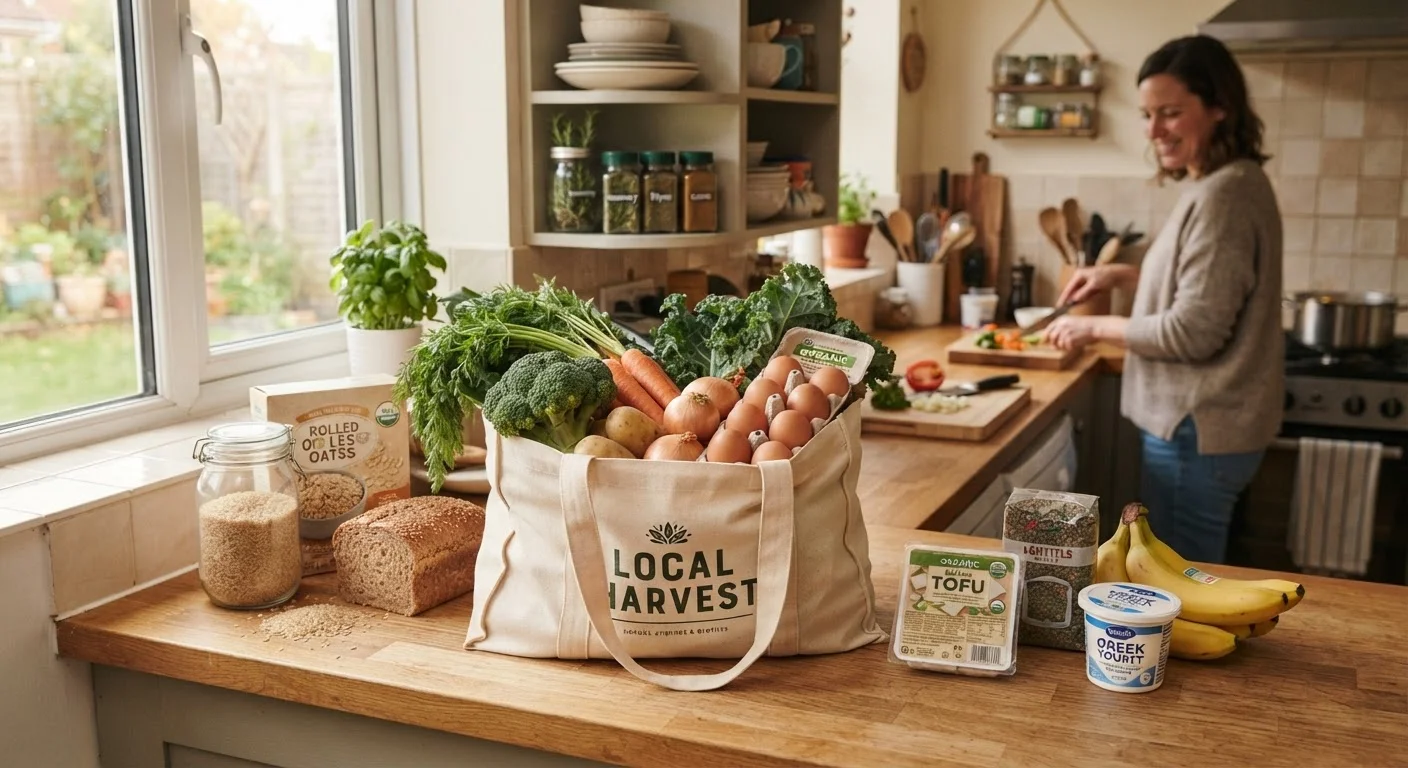
Photo: InsightsChief.com | Your Source Of Trusted Insights editorial
Key Takeaways
- Over-relying on one protein source limits essential amino acid and micronutrient variety for growing kids.
- Skipping whole grains in favor of refined versions quietly reduces fiber, B vitamins, and satiety.
- Produce variety matters as much as quantity-different colors deliver different phytonutrients.
- Reading unit prices rather than package prices is essential for stretching a nutrition-focused grocery budget.
- Canned and frozen whole foods can be just as nutritious as fresh and are often more affordable.
The Hidden Cost of Familiar Patterns
Most families don't make poor nutritional choices out of carelessness-they make them out of habit, time pressure, and tight budgets. A routine shopping list often reflects what children will actually eat, what's quickest to prepare, and what fits the weekly budget. Those are real constraints. But over time, certain patterns quietly erode diet quality without anyone noticing, because the effects are gradual rather than immediate.
This article is general nutrition information, not personalized medical or dietary advice. If you have specific concerns about your family's nutritional needs-particularly for children, pregnant individuals, or anyone managing a health condition-consult a registered dietitian or qualified healthcare provider.
With that framing in mind, the mistakes below reflect common patterns identified in nutrition research and public health guidance. Recognizing them is the first step toward course-correcting. For a broader foundation, our family nutrition primer outlines the core principles worth anchoring to.
Relying on a single protein source for most meals throughout the week.
Choosing refined grains over whole grains because they appear cheaper or more familiar to children.
Buying the same two or three vegetables every week, limiting phytonutrient diversity.
Dismissing canned and frozen foods as nutritionally inferior to fresh.
Shopping based on package price rather than unit price, leading to lower nutritional value per dollar spent.
Practical Steps Toward a More Nutritious Cart
Correcting these patterns doesn't require a complete shopping overhaul or a bigger budget. Small, deliberate shifts-swapping one refined grain for a whole grain, adding a second legume to the weekly rotation, or picking up one additional produce color per trip-compound meaningfully over weeks and months.
90%
Americans falling short on daily vegetable intake
According to the CDC's dietary guidelines data, approximately 9 in 10 Americans do not meet recommended daily vegetable consumption targets.
3x
Cost difference: dried vs. canned beans vs. meat protein
USDA Economic Research Service data consistently shows dried legumes deliver protein at a fraction of the cost of most animal protein sources per serving.
A useful strategy is to audit your current grocery list before you shop, not after. Ask whether proteins vary across the week, whether vegetables span more than one or two colors, and whether grains are predominantly whole. The household nutrition audit checklist can walk you through this systematically. Once gaps are visible, you can address them one category at a time rather than all at once.
If meal planning feels like a barrier, starting with structure rather than perfection helps. Building a grocery list around nutritional goals rather than taste alone is a practical next step that keeps both health and budget in view. And for families with children specifically, feeding growing kids without sacrificing quality offers targeted meal-planning strategies that don't rely on expensive convenience foods.
This article is for general informational purposes only and does not constitute medical or dietary advice. Please consult a qualified healthcare professional for guidance specific to your family's health needs.
The content provided on our blog site traverses numerous categories, offering readers valuable and practical information. Readers can use the editorial team’s research and data to gain more insights into their topics of interest. However, they are requested not to treat the articles as conclusive. The website team cannot be held responsible for differences in data or inaccuracies found across other platforms. Please also note that the site might also miss out on various schemes and offers available that the readers may find more beneficial than the ones we cover.