
Protein on a Budget: What It Is, Why It Matters, and Where to Find It

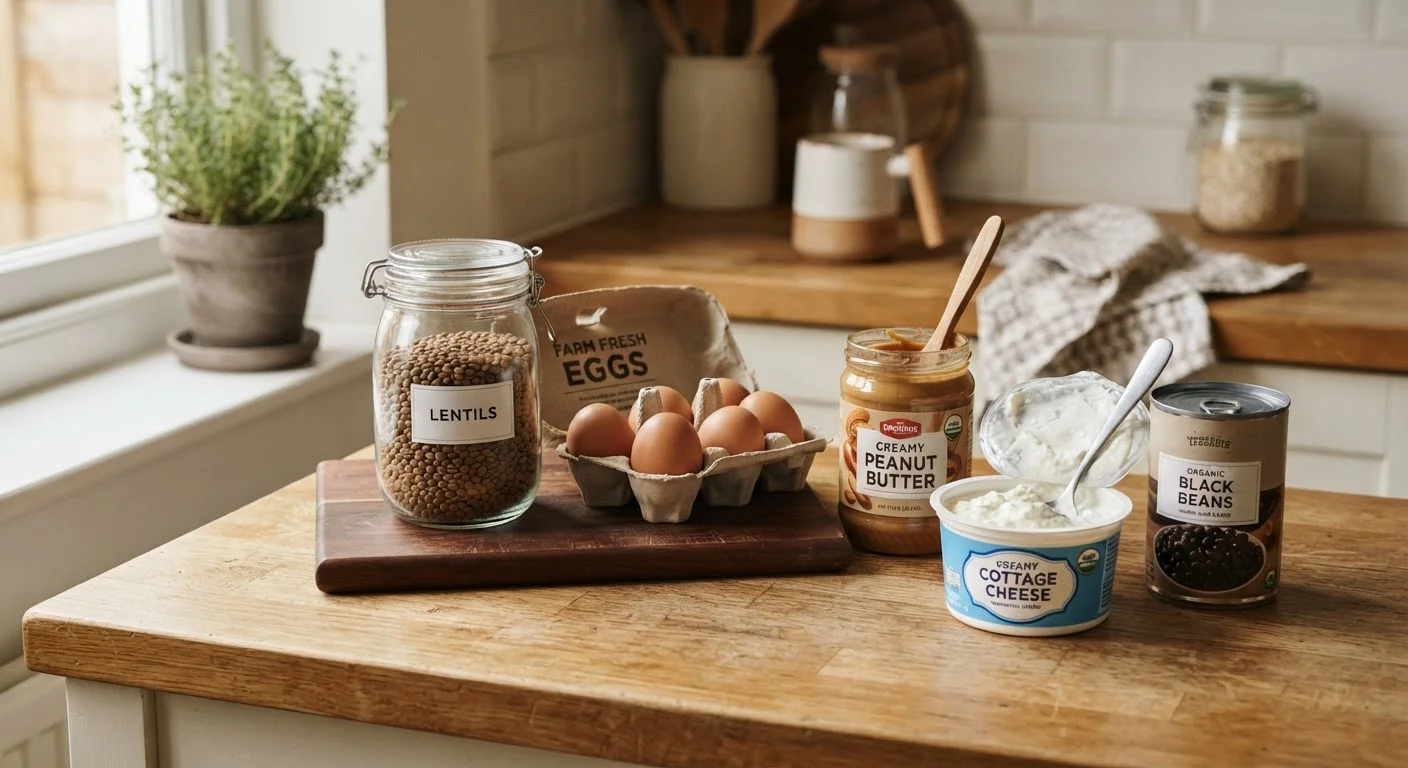
Photo: InsightsChief.com | Your Source Of Trusted Insights editorial
Key Takeaways
- Protein is essential for muscle repair, immune function, and healthy growth at every life stage.
- Many highly affordable foods - eggs, beans, lentils, canned fish, and dairy - are excellent protein sources.
- Plant proteins are often the least expensive and can fully meet daily needs when meals are varied.
- Protein quality matters, but combining different plant sources throughout the day addresses any gaps.
- Children, pregnant individuals, and older adults may have higher protein needs - consult a healthcare provider for guidance.
- Spending more on food does not automatically mean getting more protein; cost and quality are not the same.
Why Protein Matters for Every Member of the Household
Protein earns its reputation as a nutritional cornerstone because it does far more than build muscle. Every cell in the human body contains protein. It forms the structural scaffolding of tissues, enables chemical reactions as enzymes, carries oxygen through the blood as hemoglobin, and sends signals between cells as hormones. For a family eating on a tight grocery budget, understanding this broad role is the starting point for making smarter food decisions - not chasing expensive trends.
Growth stages especially increase demand. Infants, toddlers, and teenagers are all building new tissue rapidly, making consistent protein intake particularly important. Adults need it for maintenance and repair. Older adults face a gradual decline in the body's efficiency at using dietary protein, which is why some research suggests their needs may be modestly higher. This article provides general educational information only; for guidance specific to your family's circumstances, consult a registered dietitian or healthcare provider.
See our family nutrition primer for the broader principles that frame these food decisions.
Understanding Protein Quality Without the Marketing Hype
Not all protein sources are nutritionally identical. The term protein quality refers to how well a food's amino acid profile matches what the body needs, and how readily those amino acids are absorbed. Animal-based foods - meat, poultry, fish, eggs, and dairy - are generally complete proteins, meaning they supply all nine essential amino acids in adequate proportions.
Most plant proteins are lower in one or more essential amino acids, but this does not mean they are inferior. Eating a variety of plant foods over the course of a day - legumes paired with whole grains, for example - naturally provides a complete amino acid profile. Decades of nutrition research support the adequacy of diverse plant-based diets for healthy people of all ages.
~6g
Protein per large egg
According to USDA FoodData Central, one large whole egg provides approximately 6 grams of protein along with all essential amino acids.
~18g
Protein per cup of cooked lentils
USDA nutrition data shows cooked lentils deliver roughly 18 grams of protein per cup, making them one of the highest plant-based protein sources available.
~0.8g
Recommended protein per kg body weight (adults)
The US Dietary Reference Intakes, established by the National Academies of Sciences, set 0.8g/kg/day as the recommended dietary allowance for healthy sedentary adults.
The practical takeaway: protein quality is worth understanding, but it rarely requires expensive intervention. A household that regularly eats eggs, beans, lentils, and whole grains is likely covering its amino acid needs at a fraction of the cost of premium protein products. For a deeper look at why these everyday staples hold up so well nutritionally, see why cheap doesn't mean unhealthy.
Where Budget-Friendly Protein Actually Comes From
The foods that reliably deliver protein at low cost are largely unglamorous pantry staples - and that is precisely their value. Consider the following categories:
- Legumes: Dried lentils, black beans, chickpeas, and split peas are among the most protein-dense foods per dollar available in most US grocery stores. They also provide fiber, iron, and folate. Canned versions cost more than dried but remain affordable and require no soaking.
- Eggs: A whole egg contains roughly 6 grams of protein and supplies essential fats, vitamins B12 and D, and choline. Eggs are one of the most nutritionally complete single foods available at a low per-serving cost.
- Canned fish: Canned tuna, sardines, and salmon provide high-quality protein and omega-3 fatty acids at a cost well below fresh seafood. They require no preparation beyond opening.
- Dairy: Plain yogurt, cottage cheese, and milk provide protein alongside calcium and other micronutrients. Store-brand versions are nutritionally comparable to premium labels.
- Whole grains: Oats, brown rice, and whole wheat bread are not high-protein foods, but they contribute meaningful amounts when eaten in the quantities typical of family meals.
Beans, lentils, and eggs deserve a closer look - they appear in nutrition research again and again as underappreciated pillars of affordable family diets.
Make Dried Legumes Work for Your Schedule
Practical Meal Patterns That Spread Protein Through the Day
Protein absorption is more efficient when intake is distributed across meals rather than concentrated in a single sitting. A practical family approach spreads protein-rich foods throughout the day without dramatic changes to how you already cook.
Breakfast offers an easy entry point: eggs scrambled with any vegetables on hand, oatmeal topped with peanut butter, or yogurt with fruit all deliver meaningful protein before the school or work day begins. Lunch built around bean soup, a lentil dish, or a sandwich with a dairy side keeps midday energy stable. Dinner does not require a large piece of meat to hit protein targets - a bean-based stew, a stir-fry with eggs and vegetables over rice, or pasta with cottage cheese mixed into the sauce all work.
This pattern also reduces food waste, since legumes and grains store well and stretch across multiple meals. For ideas on building these patterns around children's needs specifically, see nutrition on a budget for growing kids.
This article is for general informational and educational purposes only and is not a substitute for professional medical or nutritional advice. Consult a qualified healthcare provider or registered dietitian before making significant changes to your family's diet, especially for infants, children, pregnant or breastfeeding individuals, older adults, or anyone managing a health condition.
Frequently Asked Questions
The content provided on our blog site traverses numerous categories, offering readers valuable and practical information. Readers can use the editorial team’s research and data to gain more insights into their topics of interest. However, they are requested not to treat the articles as conclusive. The website team cannot be held responsible for differences in data or inaccuracies found across other platforms. Please also note that the site might also miss out on various schemes and offers available that the readers may find more beneficial than the ones we cover.