
Mindfulness vs. Meditation: Understanding the Difference and When Each Helps

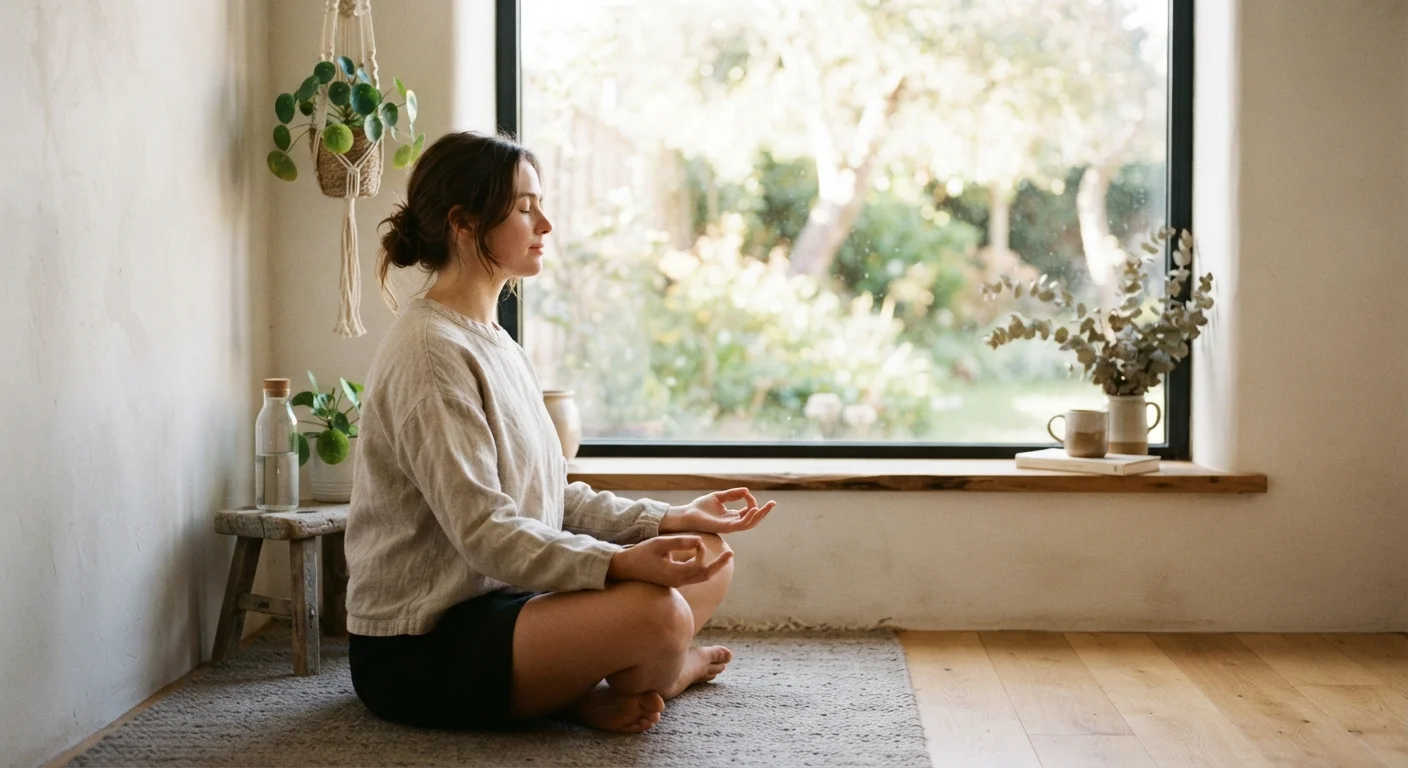
Photo: InsightsChief.com | Your Source Of Trusted Insights editorial
Key Takeaways
- Mindfulness is a quality of attention you can bring to any activity; meditation is a formal, intentional practice.
- All meditation can be mindful, but mindfulness does not require sitting down to meditate.
- Research suggests both practices may support stress reduction, though individual results vary.
- Either approach costs nothing and can be started without equipment or special training.
- Combining both in daily life is possible and may offer complementary benefits.
Two Terms, Two Different Things
Mindfulness and meditation are frequently used as synonyms, but they describe distinct concepts. Understanding the difference helps you choose the right tool for the right moment - and makes both practices more effective.
Mindfulness is a quality of attention: the deliberate, non-judgmental awareness of what is happening right now - your breath, your surroundings, your thoughts, or the sensation of your feet on the floor. It is not a technique you do; it is a way of paying attention that you can bring to virtually any activity.
Meditation, by contrast, is a formal practice - a deliberate period of time set aside to train attention using a specific method. Breathing exercises, body scans, loving-kindness practices, and guided visualizations are all examples of meditation. Think of meditation as a structured workout for the mind, while mindfulness is the fitness you carry with you afterward.
This distinction matters practically. A parent stuck in traffic can practice mindfulness right now. That same parent needs a quiet ten minutes and a method to meditate. Neither is superior - they serve overlapping but different roles in a wellness routine. For a broader look at how these fit into everyday health habits, see our everyday wellness overview.
| Criterion | Mindfulness | Meditation |
|---|---|---|
| What it is | A quality of present-moment attention | A formal, time-set practice |
| When you do it | Anytime, during any activity | Dedicated session, set aside for practice |
| Time required | No extra time needed | Typically 5-30 minutes per session |
| Equipment or cost | None | None (free resources widely available) |
| Learning curve | Low - can start immediately | Moderate - benefits from guidance at first |
| Primary benefit area | In-the-moment stress reduction | Long-term attention and emotional training |
| Can be done by children | Yes, with simple prompts | Yes, with age-appropriate guidance |
What the Research Generally Shows
A substantial body of peer-reviewed research has examined both mindfulness and meditation, though it is important to note that study quality, sample sizes, and outcome measures vary widely. With that caveat, the general picture is encouraging.
Mindfulness-based interventions - structured programs that teach mindful attention skills - have been associated in multiple studies with reductions in perceived stress and improvements in emotional regulation. Formal meditation practices, particularly those involving focused attention on the breath, have been linked in some research to changes in how the brain processes distraction and negative emotion over time.
47%
Of waking hours minds may wander
A Harvard University study using experience-sampling found people's minds were wandering nearly half of waking hours, often linked to lower reported happiness.
8 weeks
Typical duration of structured mindfulness programs studied
Many clinical studies of Mindfulness-Based Stress Reduction (MBSR) use an eight-week program; outcomes vary significantly by individual and condition.
$0
Cost of starting either practice
Breath-focused meditation and informal mindfulness require no paid app, class, or equipment to begin.
Both practices appear to offer the most consistent benefit when applied regularly rather than occasionally. Research does not currently support one being definitively superior to the other for all people or all purposes; individual response varies considerably. If you are managing a diagnosed mental health condition, these practices may complement - but should not replace - care from a qualified healthcare professional.
The relationship between digital habits and mental wellbeing is also worth considering. Our article on screen time and mental wellbeing explores how reducing passive screen use can create natural openings for both mindful moments and meditation sessions.
When Mindfulness Fits Into a Busy Family Day
One reason mindfulness appeals to budget-conscious, time-pressed households is that it demands no equipment, no subscription, and no set schedule. You practice it by redirecting attention - gently and without judgment - to the present moment whenever you notice your mind has wandered.
Practical entry points include:
- Mindful meals: Eating without screens, noticing flavors and textures. This connects naturally to making thoughtful food choices - a theme explored in our piece on whole foods vs. processed foods.
- Mindful transitions: Taking three slow breaths before answering an email, starting the car, or entering the front door after work.
- Mindful listening: Giving a child or partner your full attention during a conversation rather than half-listening while multitasking.
None of these require extra time - they simply change the quality of attention you bring to time you already have. That accessibility is their strength, but it is also a limitation: without some structured practice, mindful habits can erode under pressure.
Building a Meditation Habit Without Spending Money
Formal meditation does require a time investment, but not a financial one. Many free resources - public library apps, nonprofit audio guides, and community-supported programs - make guided meditation widely accessible.
A simple starting framework for beginners:
- Choose a consistent time (morning and pre-sleep are common choices).
- Sit comfortably - a chair works as well as a cushion on the floor.
- Set a timer for 5-10 minutes to remove the temptation to check the clock.
- Focus attention on the physical sensation of breathing - the rise and fall of the chest or the feeling of air at the nostrils.
- When the mind wanders (it will), gently return attention to the breath without self-criticism.
Consistency matters more than duration. A daily 7-minute session tends to build more lasting benefit than an occasional 45-minute session, based on how habit formation research describes behavioral change. Taking a deliberate pause - similar in intent to what our article on mental health days describes - can also be a structured moment to begin or deepen a meditation habit.
This article is for general informational and educational purposes only and is not a substitute for professional medical or mental health advice. Consult a qualified healthcare provider before beginning any new wellness practice, particularly if you are managing a mental health condition.
The content provided on our blog site traverses numerous categories, offering readers valuable and practical information. Readers can use the editorial team’s research and data to gain more insights into their topics of interest. However, they are requested not to treat the articles as conclusive. The website team cannot be held responsible for differences in data or inaccuracies found across other platforms. Please also note that the site might also miss out on various schemes and offers available that the readers may find more beneficial than the ones we cover.