
Pet Dental Health: Why It Matters and How to Maintain It at Home

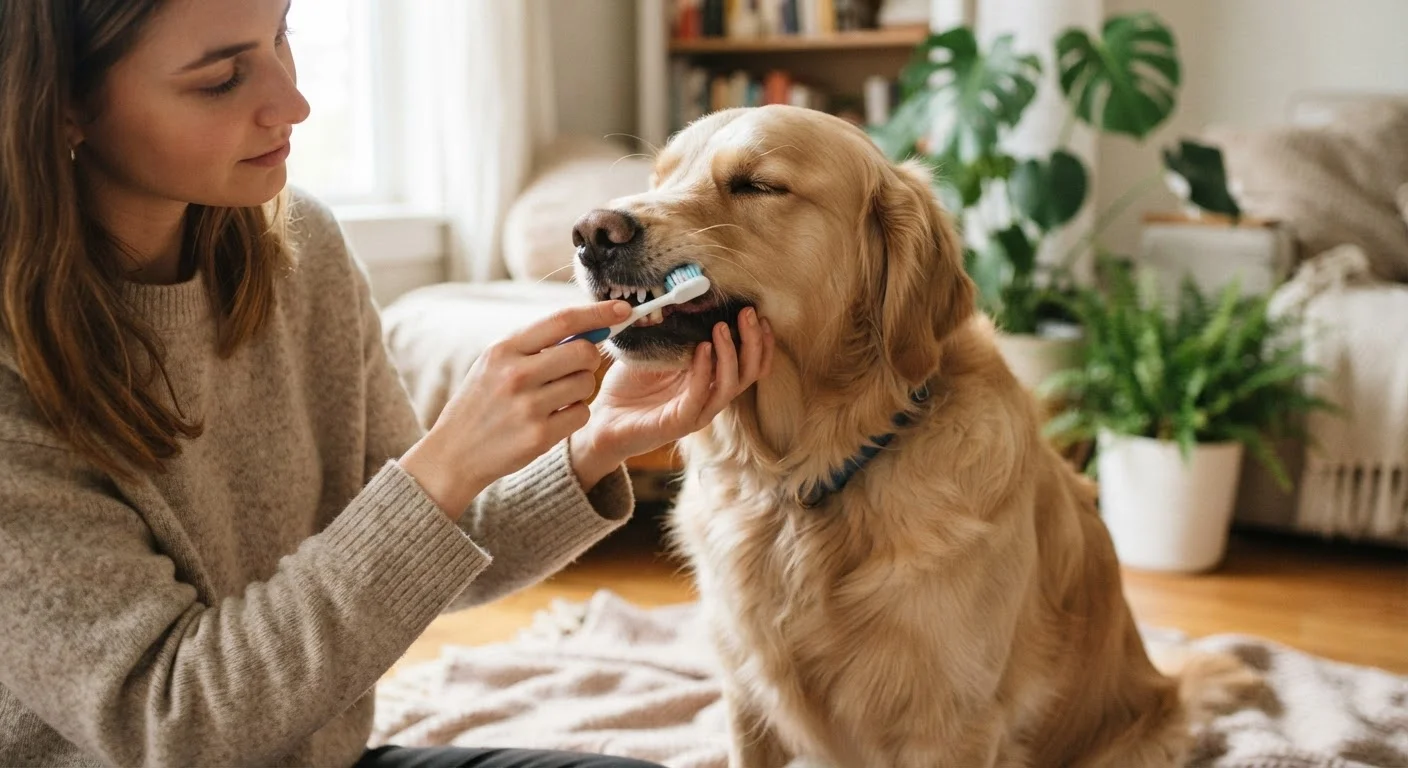
Photo: InsightsChief.com | Your Source Of Trusted Insights editorial
Key Takeaways
- Dental disease is one of the most common health conditions in adult dogs and cats, often developing silently.
- Plaque hardens into tartar within days, making daily or near-daily brushing the gold standard for prevention.
- Poor oral health has been linked to heart, kidney, and liver complications in pets - it's not just about teeth.
- Starting dental routines early makes compliance far easier, but older pets can learn too with patience.
- Dental chews, water additives, and dental diets can supplement brushing but generally should not replace it.
- Annual veterinary dental exams help catch problems before they become expensive or painful emergencies.
More Than Bad Breath: What's Really at Stake
Most pet owners notice their dog or cat has funky breath at some point and shrug it off as normal. But persistent bad breath - the clinical term is halitosis - is usually a sign that bacteria are already doing damage in your pet's mouth. According to the American Veterinary Medical Association, an estimated 80% of dogs and 70% of cats show signs of periodontal disease by the time they're three years old.
Periodontal disease is an infection of the tissues surrounding the teeth. Left untreated, it doesn't stay local. Bacteria from the mouth can enter the bloodstream and travel to major organs. Veterinary research has associated chronic dental disease with an increased risk of heart, kidney, and liver complications in pets - meaning a neglected mouth can quietly affect your pet's entire body.
The financial angle matters too. A professional dental cleaning under anesthesia - which is how vets properly clean below the gumline - can carry a meaningful cost, especially if extractions are needed. Building at-home habits now is genuinely one of the more impactful ways families can stay ahead of larger vet bills. Our guide to keeping vet costs manageable covers other strategies worth pairing with good dental care.
At-Home Practices That Actually Help
Veterinary organizations consistently identify several at-home habits that slow plaque and tartar buildup. None of them require expensive equipment - just consistency.
Brush your pet's teeth with pet-safe toothpaste at least several times per week.
Use a toothbrush or finger brush sized appropriately for your pet.
Offer veterinarian-approved dental chews as a supplemental tool.
Consider dental water additives or dental diets if brushing isn't yet possible.
Schedule a professional dental exam at least once per year.
Pet Toothpaste Flavor Can Make a Difference
Building the Habit Without the Battle
Getting a pet comfortable with mouth handling takes patience, especially for animals who haven't had their teeth touched before. The key is gradual desensitization: start by simply lifting your pet's lip for a second and rewarding them, then progress to touching the teeth with a finger, then a finger brush, and eventually a toothbrush. Keep sessions short - 30 to 60 seconds - and always end on a positive note.
Puppies and kittens adapt fastest, which is why vets recommend starting dental routines as early as possible. But older pets can adapt too. If your pet is already an adult, expect a few weeks of slow introduction before they tolerate brushing well. Forcing the process tends to backfire and create lasting resistance, so take your time.
Dental care fits naturally into a broader monthly pet care routine. Our monthly pet care checklist walks through grooming, flea prevention, weight checks, and more - useful context if you're building out a full routine for your household.
When Home Care Isn't Enough
At-home routines are preventive, not curative. Once tartar has hardened onto the tooth surface, no amount of brushing will remove it - that requires professional scaling. Signs that your pet may need a vet visit sooner rather than later include visible brown or yellow buildup on teeth, bleeding or inflamed gums, difficulty chewing, pawing at the mouth, or a sudden change in eating habits.
Annual wellness exams typically include a dental check, which gives your vet a chance to spot early-stage problems. As we note in our piece on why skipping annual checkups tends to cost more, catching issues early almost always leads to simpler, less costly treatment. If your pet is already showing discomfort around the mouth, that's worth flagging at your next appointment - or sooner if symptoms are acute.
This article is for general informational purposes only and is not veterinary advice. Always consult a licensed veterinarian for guidance specific to your pet's health needs.
The content provided on our blog site traverses numerous categories, offering readers valuable and practical information. Readers can use the editorial team’s research and data to gain more insights into their topics of interest. However, they are requested not to treat the articles as conclusive. The website team cannot be held responsible for differences in data or inaccuracies found across other platforms. Please also note that the site might also miss out on various schemes and offers available that the readers may find more beneficial than the ones we cover.