
Why Skipping Your Pet's Annual Checkup Tends to Cost More in the Long Run

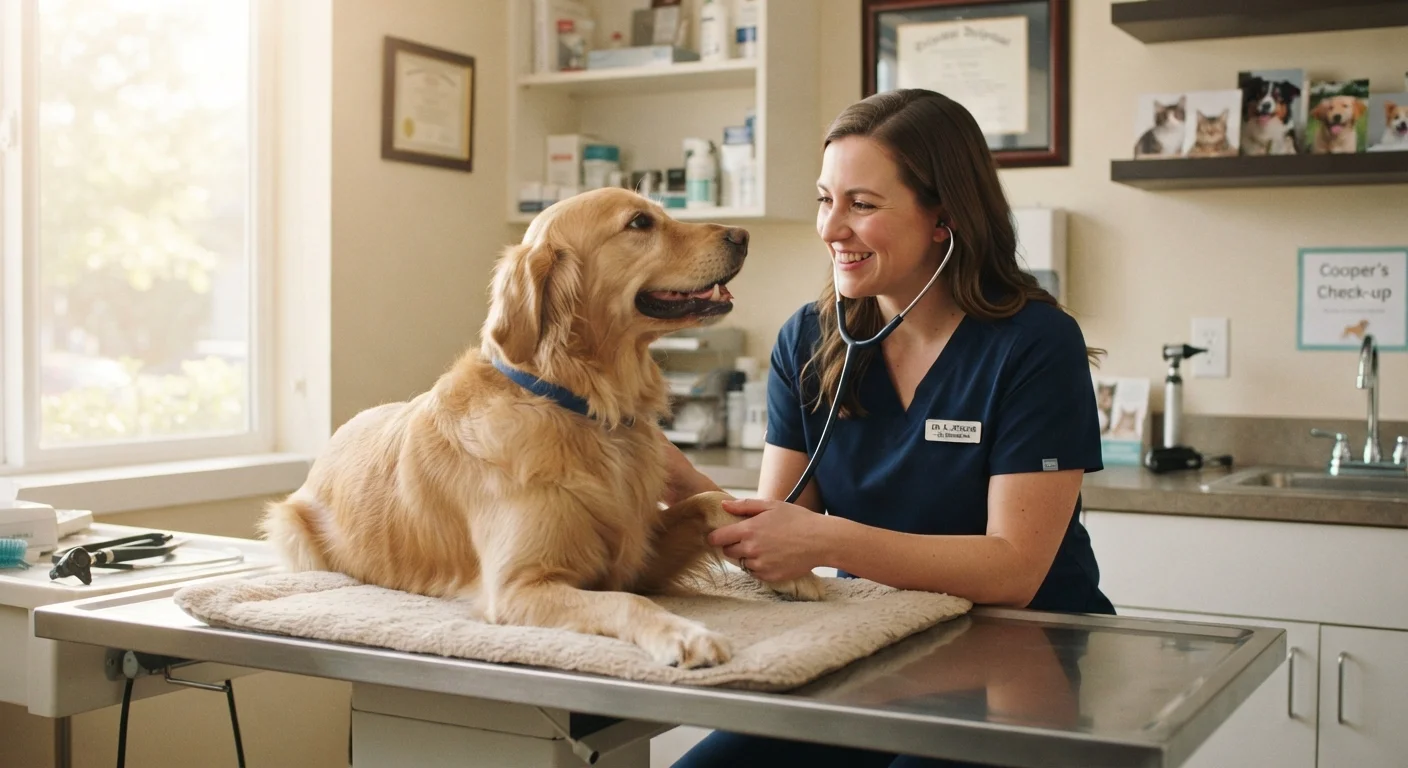
Photo: InsightsChief.com | Your Source Of Trusted Insights editorial
Key Takeaways
- Annual vet checkups frequently catch hidden conditions before they become costly emergencies.
- Skipping routine visits rarely saves money - delayed diagnoses typically mean more complex, expensive treatment.
- Preventive care like parasite control and dental checks is far cheaper than treating advanced disease.
- Pet owners often underestimate how quickly an animal's health can change between visible symptoms.
- Several strategies exist to make routine vet visits more affordable without cutting corners on care.
The Hidden Cost of Waiting Until Something Looks Wrong
Most pet owners genuinely love their animals and aren't trying to be neglectful. Skipping an annual checkup usually comes down to a tight budget, a packed schedule, or the reassuring fact that the dog or cat seems perfectly fine. The problem is that "perfectly fine" and "actually healthy" aren't always the same thing.
Many of the conditions that become serious and expensive - kidney disease, early-stage diabetes, heart murmurs, dental infections, and certain cancers - produce no obvious outward signs in their earliest stages. By the time a pet is visibly unwell, a condition may have progressed significantly, narrowing treatment options and inflating costs considerably. A vet who sees your pet once a year can track weight trends, organ function baselines, and subtle physical changes that an owner living with the animal every day might not notice.
The parallel holds in other areas of life, too. Just as deferred home maintenance tends to compound into bigger repair bills, deferred pet care has a way of growing into a far larger expense than the original appointment would have cost.
Assuming a pet is healthy because they seem active and are eating normally.
Skipping dental checks because the pet isn't showing signs of mouth pain.
Letting parasite prevention lapse because the pet hasn't had a visible problem recently.
Postponing the vet visit because the pet is older and "nothing can really be done anyway."
Waiting to see whether a symptom resolves on its own before calling the vet.
Making Preventive Care Financially Realistic
The concern about affording regular vet visits is legitimate - veterinary costs have risen substantially in recent years, and for households managing a tight budget, an annual wellness exam can feel like a discretionary expense. But framing it that way is where the financial logic breaks down.
70%
Pets show dental disease signs by age 3
According to the American Veterinary Medical Association, most dogs and cats show signs of periodontal disease by age three - a condition often detected and managed far more affordably during routine exams.
4-6x
Emergency visit cost vs. routine exam
Veterinary industry data broadly indicates that treating a condition in an emergency or advanced-disease context can cost several times more than addressing it during a routine preventive visit.
Treating an advanced dental infection, a late-stage kidney condition, or an intestinal obstruction from an ingested foreign object can run into the hundreds or even thousands of dollars. Routine wellness visits - which typically include a physical exam, core vaccinations where due, and parasite screening - are generally a fraction of that cost. Many veterinary practices also offer wellness plans that spread predictable care costs across monthly payments, which can make budgeting easier.
Our guide on keeping vet bills manageable without skipping necessary care walks through practical approaches - from payment plans to low-cost clinic options - that can help families stay on top of preventive care without a financial crisis. It's also worth running through a monthly pet care checklist between visits to catch small issues early.
Senior Pets Need More Frequent Monitoring
This article provides general pet health information for educational purposes only. It is not a substitute for professional veterinary advice. Always consult a licensed veterinarian about your individual pet's health needs.
The content provided on our blog site traverses numerous categories, offering readers valuable and practical information. Readers can use the editorial team’s research and data to gain more insights into their topics of interest. However, they are requested not to treat the articles as conclusive. The website team cannot be held responsible for differences in data or inaccuracies found across other platforms. Please also note that the site might also miss out on various schemes and offers available that the readers may find more beneficial than the ones we cover.