
Indoor vs. Outdoor Cats: Health, Safety, and Lifestyle Considerations

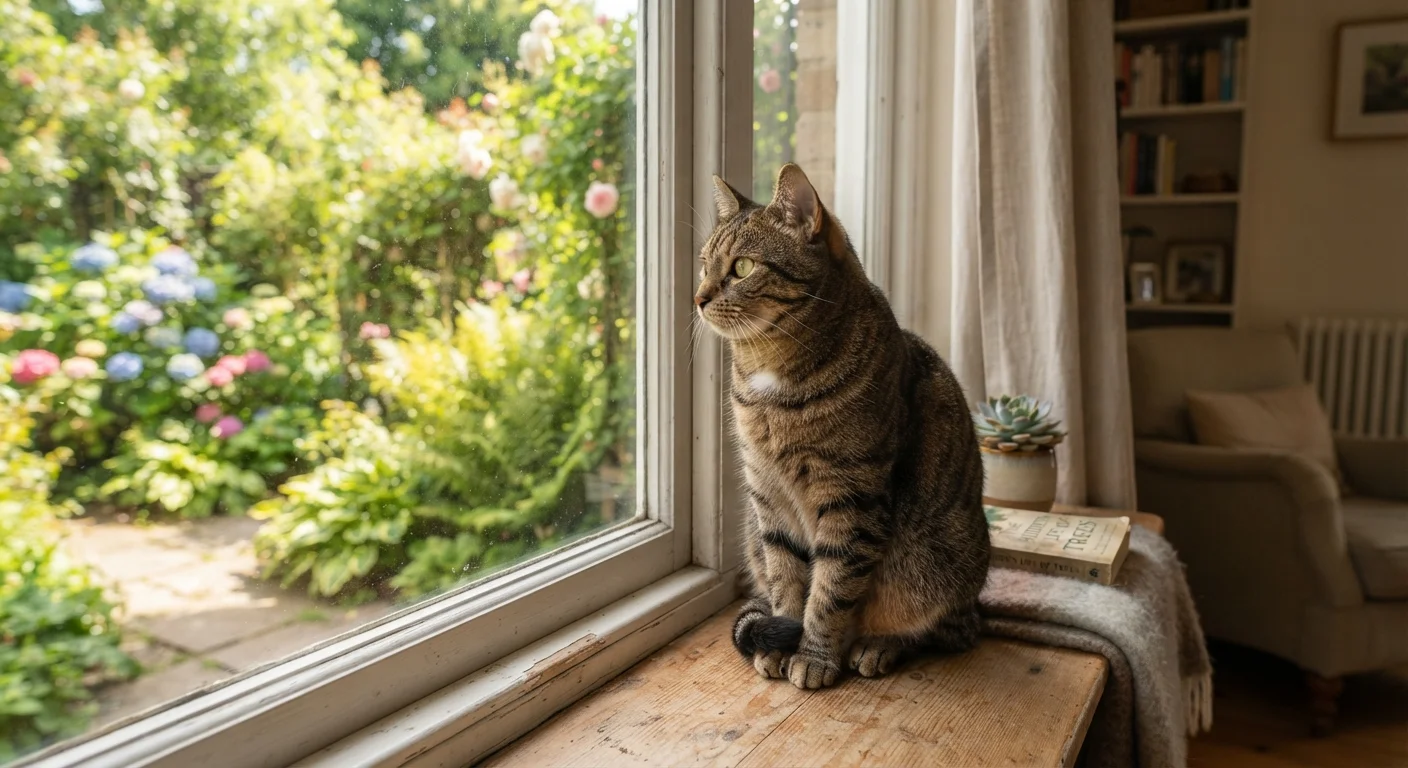
Photo: InsightsChief.com | Your Source Of Trusted Insights editorial
Key Takeaways
- Indoor cats typically live significantly longer than cats allowed to roam freely outdoors.
- Outdoor cats face real risks from traffic, predators, parasites, and infectious disease.
- Indoor cats need deliberate enrichment - play, climbing space, and social interaction - to stay mentally healthy.
- Veterinary costs can run higher for outdoor cats due to injuries, parasites, and illness exposure.
- Compromise options like enclosed catios or leash training can offer outdoor stimulation more safely.
- Neither lifestyle is universally 'right' - your home environment and the individual cat's temperament both matter.
Lifespan and Physical Health: What the Research Suggests
One of the starkest differences between indoor and outdoor cats is how long they tend to live. Veterinary sources generally estimate that indoor cats live an average of 12-18 years, while outdoor cats average somewhere between 2-7 years - though these figures vary depending on environment and individual circumstances. The gap reflects real exposure to risk rather than any inherent weakness in outdoor cats.
Outdoor cats face a formidable list of hazards: vehicle collisions, predator attacks from dogs or wildlife, territorial fights with other cats, and exposure to toxins like antifreeze or rodenticides. They also encounter infectious diseases - feline leukemia virus (FeLV) and feline immunodeficiency virus (FIV) spread most easily through bites and close contact with other cats outdoors.
Indoor cats are not without health concerns, however. A sedentary lifestyle indoors can contribute to obesity, urinary tract issues, and diabetes - all conditions linked to low activity levels. The key is creating an environment that keeps cats moving and mentally engaged. See our guide to keeping pets healthy across every life stage for how these needs shift as cats age.
| Criterion | Indoor Cats | Outdoor Cats |
|---|---|---|
| Average lifespan | 12-18 years (estimated) | 2-7 years (estimated) |
| Injury risk | Low | High (traffic, fights, predators) |
| Disease exposure | Low (FeLV, FIV, parasites rare) | High (contact with other animals) |
| Parasite prevention | Occasional / seasonal | Year-round necessity |
| Natural stimulation | Requires deliberate enrichment | Naturally high |
| Obesity / inactivity risk | Higher without enrichment | Lower (more exercise) |
| Predictability of vet costs | More predictable / routine | Less predictable / more emergency visits |
| Wildlife impact | None | Can affect local bird populations |
Behavioral Wellbeing: Boredom vs. Danger
Cats are natural hunters, and that instinct doesn't switch off just because they live indoors. Without adequate stimulation, indoor cats can develop behavioral problems - excessive vocalization, aggression, overgrooming, or destructive scratching. This isn't a character flaw; it's a cat communicating unmet needs.
The good news is that enrichment is relatively low-cost: puzzle feeders, rotating toy selections, window perches, and vertical climbing structures can go a long way. Interactive daily play sessions - even 10-15 minutes - help simulate hunting behavior and reduce stress. Keep tabs on these habits by running through a routine check; our monthly pet care checklist includes behavioral and enrichment markers worth tracking.
Outdoor cats get natural stimulation - territory exploration, hunting small prey, and social interaction with other animals. But that stimulation comes bundled with stress too: territorial disputes, unfamiliar animals, and unpredictable environments can raise cortisol levels and lead to chronic stress in some cats, particularly those with more anxious temperaments.
12-18 yrs
Typical indoor cat lifespan
Veterinary sources broadly cite this range, compared to significantly shorter estimates for free-roaming outdoor cats.
~1.3-4B
Birds killed by cats annually in the US
A study published in Nature Communications estimated free-ranging cats are among the leading human-linked causes of bird mortality in the US.
Up to 2x
Higher obesity risk indoors
Veterinary obesity research consistently identifies indoor, sedentary lifestyles as a key risk factor for feline overweight conditions.
The Cost Angle: Vet Bills and Preventive Care
From a household budget perspective, outdoor cats often generate higher and less predictable veterinary expenses. Emergency visits for wounds, abscesses from cat fights, broken bones from falls or vehicle strikes, and treatment for parasites like fleas, ticks, and intestinal worms add up quickly. Flea and tick prevention becomes a year-round necessity rather than a seasonal consideration.
Indoor cats tend to have more routine, plannable vet costs - annual wellness exams, dental care, and the occasional illness. That said, conditions like obesity-related diabetes or urinary blockages can be expensive to treat if caught late. Dental health is worth particular attention regardless of lifestyle; pet dental health guidance explains why oral care directly affects a cat's overall wellbeing.
If you're weighing the decision alongside initial adoption costs, it's worth reading about the financial differences between adopting and buying a pet before committing to a lifestyle setup.
Middle-Ground Options Worth Considering
The indoor vs. outdoor choice doesn't have to be binary. Many families find that a supervised or contained outdoor experience gives cats meaningful stimulation without most of the risk.
- Catios: Enclosed outdoor structures that attach to a window or door, letting cats experience fresh air, sights, and sounds safely.
- Leash training: Some cats adapt well to harness-and-leash walks, especially when introduced gradually as kittens. Supervised yard time: Allowing time outside only when a family member is present reduces (though doesn't eliminate) hazard exposure.
- Cat-proofed gardens: Roller-top fencing systems can make a yard more escape-resistant. If you're thinking about modifying your outdoor space, garden and lawn guidance covers practical ways to shape and manage outdoor areas.
Whatever arrangement you land on, the goal is a cat that feels safe, stimulated, and cared for - and a family that isn't stretched thin by avoidable vet emergencies. The real trade-offs of pet ownership is a useful read for families still in the planning phase.
This article is for general informational purposes only and does not constitute veterinary advice. Consult a licensed veterinarian for guidance specific to your cat's health, behavior, and individual needs.
The content provided on our blog site traverses numerous categories, offering readers valuable and practical information. Readers can use the editorial team’s research and data to gain more insights into their topics of interest. However, they are requested not to treat the articles as conclusive. The website team cannot be held responsible for differences in data or inaccuracies found across other platforms. Please also note that the site might also miss out on various schemes and offers available that the readers may find more beneficial than the ones we cover.