
Why Skipping the Cabin Air Filter Is a Worse Idea Than Most People Think

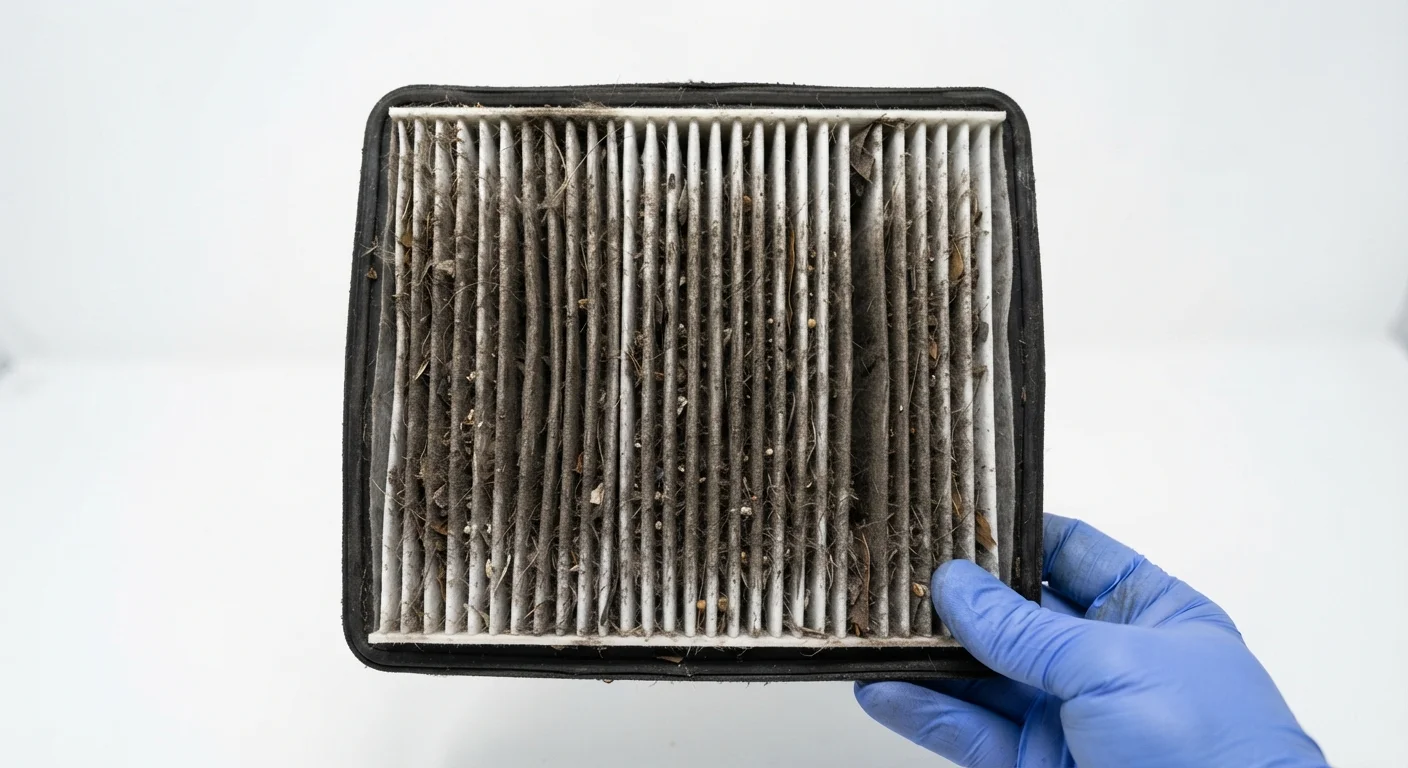
Photo: InsightsChief.com | Your Source Of Trusted Insights editorial
Key Takeaways
- Cabin air filters typically need replacement every 15,000-25,000 miles, but many drivers skip them entirely.
- A clogged filter strains your HVAC blower motor, potentially leading to costly repairs.
- Replacing a cabin air filter is one of the more affordable routine maintenance tasks - often under $30 for the part.
- Neglecting the filter can worsen allergy symptoms and increase exposure to particulates inside the cabin.
- Many vehicles allow owner replacement without tools, but location varies by make and model.
Why the Cabin Air Filter Gets Overlooked
The cabin air filter sits out of sight - tucked behind the glove box, under the dashboard, or beneath the hood near the windshield - which makes it easy to forget. Unlike an oil change, there's no dashboard warning light telling you it's overdue. Service intervals aren't stamped on a sticker inside your door jamb. The result: it's one of the most commonly skipped items on a maintenance schedule.
This isn't a minor oversight. The cabin air filter is the only barrier between outside air - carrying road dust, pollen, exhaust particulates, and mold spores - and the air your passengers breathe. When it becomes clogged, the consequences extend beyond stuffy noses.
Treating the cabin air filter as optional rather than a scheduled maintenance item.
Assuming reduced A/C or heat output is a refrigerant or compressor problem before checking the filter.
Buying a replacement filter without verifying it meets the vehicle's specifications.
Skipping replacement because the filter 'doesn't look that dirty.'
Paying shop labor rates for a task that's often a straightforward owner replacement.
The Real Costs of Ignoring This Service
Many budget-conscious drivers skip cabin air filter replacements to save money in the short term. The irony is that neglecting this item often creates larger expenses down the road. A restricted filter forces the HVAC blower motor to work harder to push air through the system. Over time, that added strain can shorten the blower motor's lifespan - a repair that can cost several hundred dollars versus the roughly $15-$30 typically spent on a replacement filter.
15,000-25,000 mi
Typical cabin air filter replacement interval
Most vehicle manufacturers specify this range in owner's manuals, though driving conditions can shorten it.
$15-$30
Average cost of a replacement cabin air filter
Parts-only cost for most passenger vehicles; premium HEPA-style filters may cost more.
Beyond mechanical wear, reduced airflow means your defroster takes longer to clear your windshield. In cold or wet conditions, that's a direct safety concern. Poor defrost performance is consistently linked to restricted cabin filter airflow in vehicle HVAC systems.
It's worth noting that home HVAC systems face a similar dynamic - a clogged filter degrades both air quality and system efficiency. If you're also thinking about your household HVAC, see our guide to home HVAC filter maintenance for a parallel breakdown of what requires regular attention.
Don't Confuse Cabin and Engine Air Filters
The content provided on our blog site traverses numerous categories, offering readers valuable and practical information. Readers can use the editorial team’s research and data to gain more insights into their topics of interest. However, they are requested not to treat the articles as conclusive. The website team cannot be held responsible for differences in data or inaccuracies found across other platforms. Please also note that the site might also miss out on various schemes and offers available that the readers may find more beneficial than the ones we cover.