
Brake Pads vs. Brake Rotors: What Wears Out First and What Actually Needs Replacing

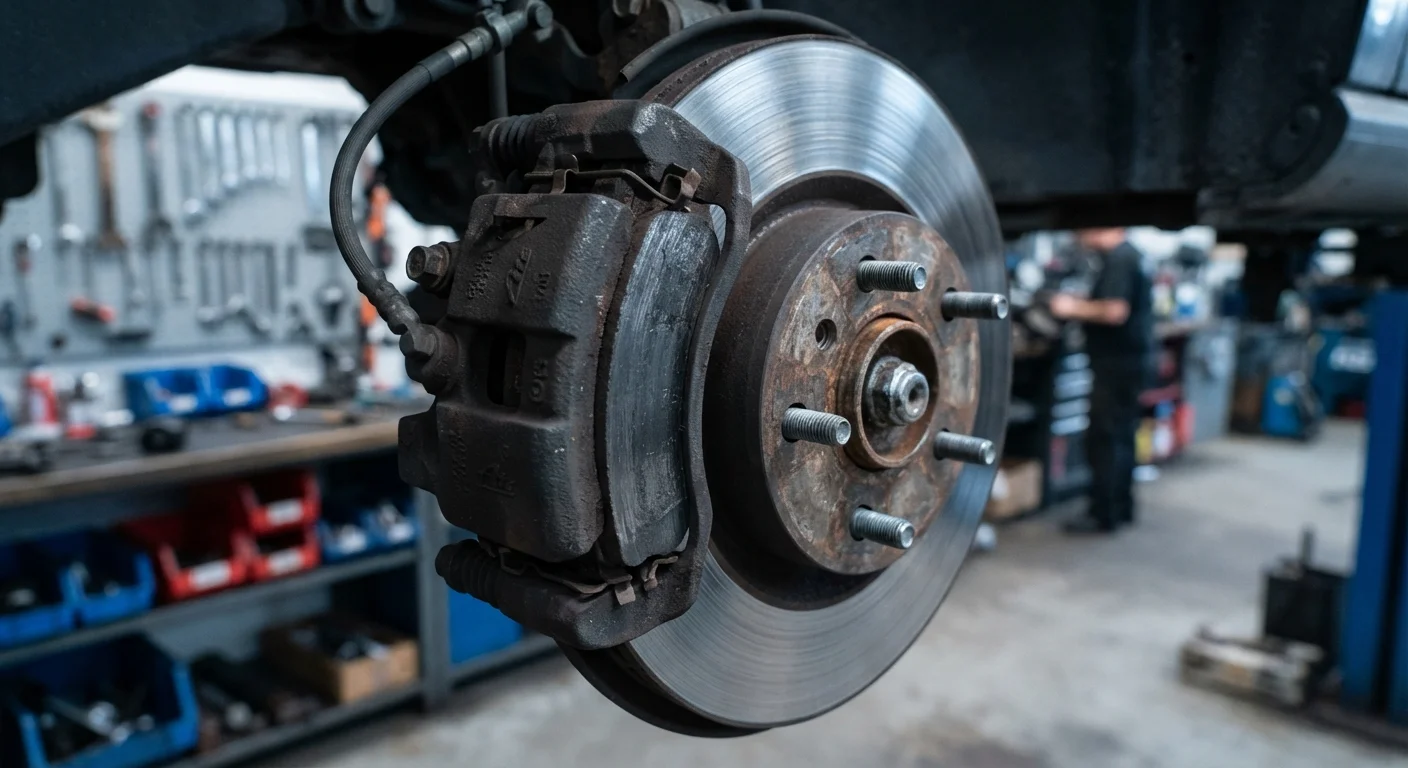
Photo: InsightsChief.com | Your Source Of Trusted Insights editorial
Key Takeaways
- Brake pads are designed to wear out and typically need replacement every 25,000-70,000 miles depending on driving style and pad material.
- Rotors last considerably longer than pads and often survive two or more pad replacement cycles before needing attention.
- Rotors can sometimes be resurfaced (turned) rather than replaced, saving money - but only if sufficient thickness remains.
- Shops sometimes recommend replacing both at once; that is not always necessary and warrants a direct question about rotor thickness measurements.
- Driving with metal-on-metal contact from worn pads accelerates rotor damage and turns a pad-only job into a much costlier repair.
How Each Component Actually Works
Your vehicle's disc brake system relies on two core parts: the brake pad and the brake rotor. When you press the pedal, hydraulic pressure forces the caliper to clamp the pads against the spinning rotor, converting kinetic energy into heat through friction. That friction is what slows you down - and it's also what gradually destroys the pad material.
Brake pads are made of friction material bonded to a metal backing plate. That friction material is intentionally sacrificial - it wears away so the rotor doesn't have to. Rotors, by contrast, are cast iron or composite discs engineered for durability. They do wear over time, but at a much slower rate than pads under normal conditions.
Understanding this hierarchy matters: pads are the routine consumable; rotors are the structural component that should outlast several pad sets if the system is maintained properly.
| Criterion | Brake Pads | Brake Rotors |
|---|---|---|
| Primary function | Friction surface that wears down | Structural disc pad clamps against |
| Typical lifespan | 25,000-70,000 miles | 50,000-80,000+ miles |
| Wear indicator | Built-in squealer tab or visual inspection | Micrometer thickness measurement |
| Can be reconditioned? | No - must be replaced | Sometimes - resurfacing if above min spec |
| Symptom when worn | Squealing, reduced stopping power | Pulsation, vibration, deep scoring |
| Replacement cost (parts only, general range) | $20-$80 per axle | $30-$150+ per rotor |
| Risk if ignored | Metal contact damages rotors | Brake fade, longer stopping distances |
Wear Rates: What the Numbers Say
Pad lifespan varies widely - roughly 25,000 to 70,000 miles - depending on pad compound (organic, semi-metallic, or ceramic), driving habits, and vehicle weight. City driving with frequent hard stops accelerates wear significantly compared to steady highway miles.
Rotors typically carry a manufacturer-specified minimum thickness, measured in millimeters. A technician should measure this with a micrometer at every pad change. If the rotor still has sufficient material above that minimum, replacement isn't necessary. If it's at or below spec, replacement is required for safe braking.
25,000-70,000 mi
Typical brake pad replacement interval
The range reflects differences in pad material, vehicle weight, and driving patterns - city stop-and-go driving sits at the lower end.
~1mm
Minimum usable pad thickness
Most manufacturers specify replacement when friction material reaches approximately 2-3mm; 1mm or less indicates the pad is critically worn.
2-3 sets
Pad cycles a rotor may outlast
Under normal driving conditions and with timely pad changes, rotors commonly survive multiple pad replacement intervals before reaching minimum thickness.
Rotors can also develop thickness variation - microscopic differences across the rotor face - which causes pedal pulsation. This can sometimes be corrected by resurfacing (machining the rotor flat), provided enough material remains. One important caveat: resurfacing removes material and brings the rotor closer to its minimum spec, so a thin rotor should simply be replaced rather than turned.
When Shops Recommend Replacing Both - And Whether That's Warranted
It's common practice for shops to recommend replacing rotors alongside pads, and sometimes that recommendation is genuinely sound. New pads bed in (conform to the rotor surface) more effectively on fresh rotors, and matching new components can optimize braking consistency. On high-mileage vehicles or rotors already close to minimum thickness, replacing both at once avoids a second labor charge shortly afterward.
However, the recommendation isn't automatically warranted on every vehicle every time. The right questions to ask a technician include: What is the current rotor thickness, and what is the manufacturer's minimum? and Is there scoring, warping, or heat cracking present? Without those measurements, a blanket recommendation to replace rotors is hard to evaluate.
If you're weighing whether to handle any brake inspection or basic maintenance yourself versus relying entirely on a shop, see our guide on DIY vs. shop decisions - brake pad replacement is a job many mechanically comfortable drivers take on, though it does require jack stands, proper torque specs, and brake bedding procedures.
Axle Pairing Matters
The content provided on our blog site traverses numerous categories, offering readers valuable and practical information. Readers can use the editorial team’s research and data to gain more insights into their topics of interest. However, they are requested not to treat the articles as conclusive. The website team cannot be held responsible for differences in data or inaccuracies found across other platforms. Please also note that the site might also miss out on various schemes and offers available that the readers may find more beneficial than the ones we cover.