
Ways Savvy Travelers Reduce Food Costs Without Sacrificing Local Experience

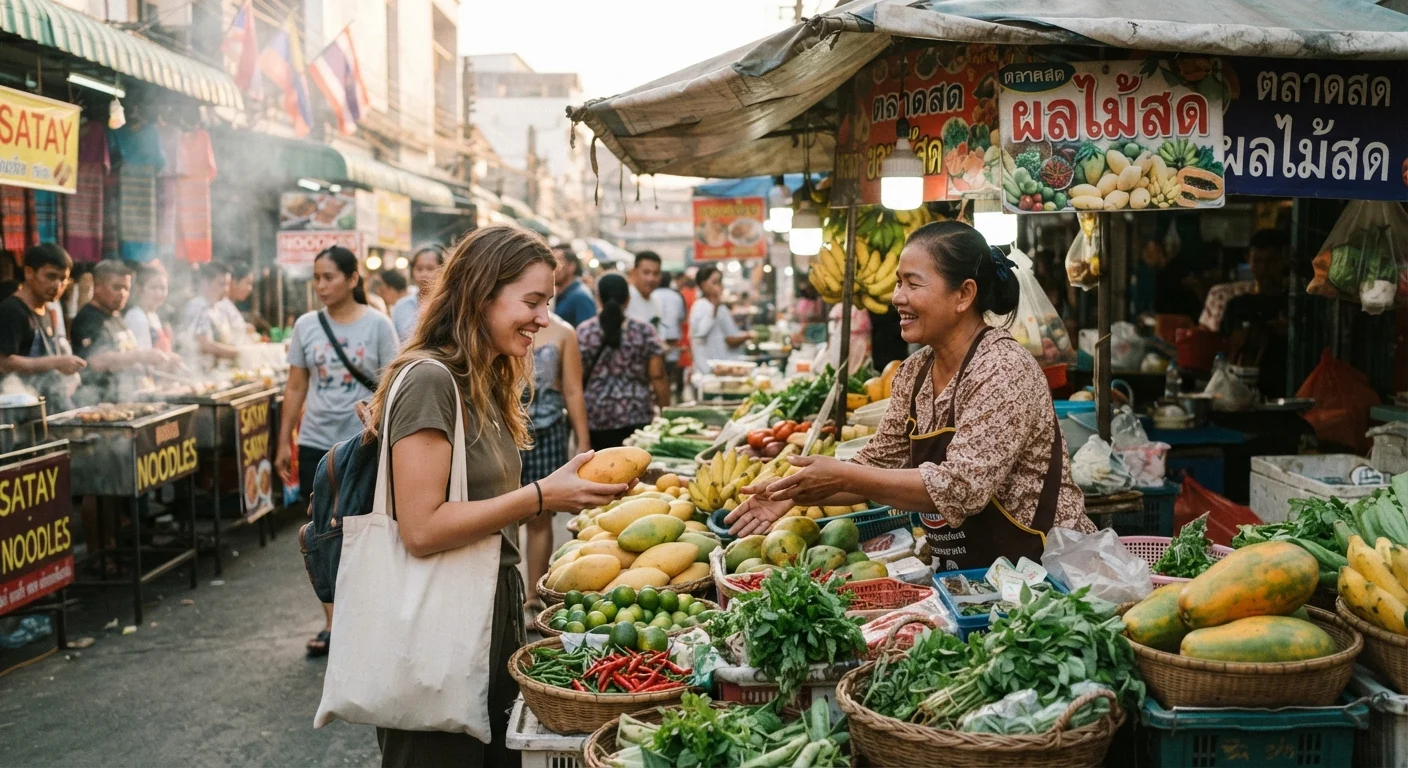
Photo: InsightsChief.com | Your Source Of Trusted Insights editorial
Key Takeaways
- Eating where locals eat consistently delivers more authentic food at lower prices than tourist-area restaurants.
- Adjusting which meals you splurge on - typically lunch over dinner - can cut daily food spending significantly.
- Accommodation with kitchen access gives travelers meaningful control over their food budget without feeling restricted.
- A little pre-trip research into local food culture helps you spend smarter, not just less.
Why Food Costs Can Make or Break a Travel Budget
For most travelers, meals are the line item that quietly spirals. Flights and hotels are booked in advance with firm numbers, but food spending happens dozens of times a day in an unfamiliar environment - often without a clear sense of what's reasonable. A few tourist-trap dinners and airport lunches can easily add $30-$50 of unplanned spending per person, per day.
The good news: cutting food costs while traveling doesn't mean subsisting on gas station snacks or skipping the experiences that make a destination memorable. It means being intentional about where, when, and how you eat. The strategies below are used by experienced travelers who consistently eat well without overspending. See how they fit into a broader planning approach in our guide to mapping out a trip on a fixed budget.
Eat where locals eat, not where tourists are directed
Restaurants located steps from major attractions typically charge a significant premium - for the same or lower quality food. Moving even two or three blocks away from a landmark often drops prices noticeably. Look for spots where the menu isn't translated into five languages, where the clientele is mostly local, and where there's no host standing outside recruiting passersby. In many cities, neighborhood eateries, workers' lunch spots, and family-run places offer the most authentic food at prices that reflect actual local costs of living.
Two blocks from the landmark can mean half the price for twice the authenticity.
Make lunch your main meal, not dinner
In many countries - particularly across Europe and Latin America - lunch is culturally the larger meal, and restaurants reflect this with fixed-price midday menus (sometimes called menú del día or prix fixe) that include multiple courses, a drink, and bread for a fraction of the dinner equivalent. Eating your most substantial meal at midday, then keeping dinner lighter - street food, market items, or groceries - can reduce daily food costs by 30-40% without any reduction in the quality of your dining experience.
Fixed-price lunch menus often deliver a full restaurant experience for a fraction of dinner pricing.
Shop at local markets and grocery stores
Supermarkets and produce markets in almost every destination stock the same ingredients locals use daily - at local prices. A morning visit to a covered market can yield fresh fruit, bread, cheese, cured meats, and prepared items that make excellent breakfasts or light dinners. Beyond cost, this approach gives you direct exposure to the food culture: what's in season, what's regional, what vendors are proud of. It's one of the most underrated ways to engage with a place. Grocery budget strategies that work at home apply here too - buy what you'll actually use, avoid waste, and prioritize items with multiple uses.
A local market breakfast costs a fraction of a café meal and often tastes better.
Choose accommodation with kitchen access when feasible
Apartments, hostels with shared kitchens, and extended-stay properties allow travelers to prepare some of their own meals. Even cooking just breakfast and one other meal per day can reduce food spending substantially over a multi-day trip. This doesn't mean cooking every meal - the goal is control, not deprivation. Having the option to make coffee and toast in the morning, or to assemble a simple dinner after a long day, frees up budget for the restaurant meals that genuinely matter to you.
Kitchen access turns accommodation from a sleep expense into a food-budget tool.
Embrace street food and food halls with clear hygiene standards
Street food is not a budget compromise - in many destinations, it's the culinary highlight. Tacos, banh mi, jerk chicken, dumplings, and falafel served from carts or market stalls often represent the most skilled, most traditional preparation of a dish available anywhere. When evaluating a stall, look for high turnover (food cooked fresh, not sitting), visible cooking process, and local customers. Food halls and covered markets in major cities also concentrate quality vendors in one place, making it easy to sample broadly without overspending.
High-turnover street stalls often produce the most authentic dish in a city - at the lowest price.
Research local food culture before you arrive
Knowing in advance which dishes are considered everyday food versus special-occasion food, where the neighborhood markets operate, and which areas have concentrations of local restaurants is far more useful than any app that highlights tourist favorites. Travel forums, local food blogs, and community guides (not aggregator review sites, which skew heavily toward tourist-facing venues) give a more accurate picture of where residents actually eat. Even 30 minutes of research before departure can prevent days of uninformed spending. This pairs naturally with the broader pre-trip planning covered in common trip-planning errors to avoid.
Thirty minutes of pre-trip food research can prevent days of uninformed, overpriced eating.
Making It Work in Practice
None of these strategies require extreme sacrifice. Most require a small amount of research before you arrive and a willingness to eat the way residents actually eat - which, in most places, is far more rewarding than what's on offer in the tourist corridor anyway.
Track your daily food spend loosely
For households that already practice food budget discipline at home, the same instincts transfer well on the road. The meal planning as a financial tool framework applies even when your kitchen is a hotel mini-fridge. And if you're managing food costs across a family with kids, the principles in nutrition on a budget for growing kids translate surprisingly well to travel contexts. The common thread: decide in advance, shop with intention, and treat every meal as a choice - not a default.
The content provided on our blog site traverses numerous categories, offering readers valuable and practical information. Readers can use the editorial team’s research and data to gain more insights into their topics of interest. However, they are requested not to treat the articles as conclusive. The website team cannot be held responsible for differences in data or inaccuracies found across other platforms. Please also note that the site might also miss out on various schemes and offers available that the readers may find more beneficial than the ones we cover.