
Debt & Credit Fundamentals for Anyone Starting From Scratch

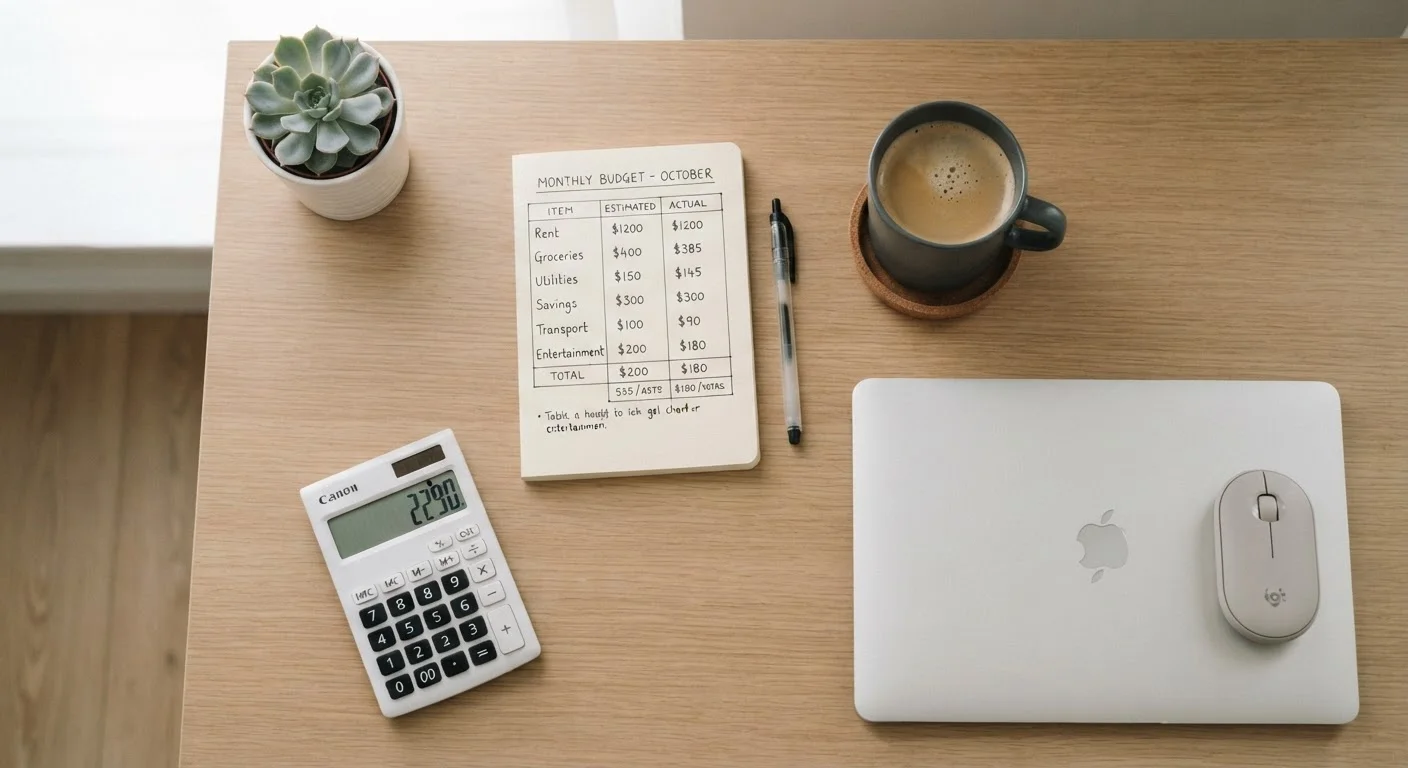
Photo: InsightsChief.com | Your Source Of Trusted Insights editorial
Key Takeaways
- Credit is a record of how reliably you borrow and repay money - lenders use it to gauge risk.
- Your credit score is calculated from five factors, with payment history carrying the most weight.
- Interest compounds over time, meaning carrying a balance costs significantly more than it first appears.
- A few consistent habits - paying on time, keeping balances low - protect your credit long-term.
- Anyone can start building or rebuilding credit using accessible tools like secured cards or credit-builder loans.
How Credit Actually Works
Credit is, at its core, a trust system. A lender gives you money or purchasing power today based on the expectation that you'll repay it according to agreed terms. Every time you borrow and repay - or miss a payment - that behavior is recorded by the three major credit bureaus: Equifax, Experian, and TransUnion.
These bureaus compile that data into a credit report, a detailed file of your accounts, balances, payment history, and any public records like bankruptcies. Lenders, landlords, and sometimes employers review this report to assess how reliable you are with financial obligations.
If you're just starting out, you may have little or no credit history - sometimes called being "credit invisible." That's a common and completely fixable situation. For plain-language definitions of the terms you'll encounter along the way, the household debt glossary is a useful companion reference.
Credit bureau
A company that collects and maintains records of individuals' borrowing and repayment history. The three major U.S. bureaus are Equifax, Experian, and TransUnion.
Credit utilization
The percentage of your available revolving credit that you're currently using. For example, a $500 balance on a $1,000 limit card equals 50% utilization.
APR
Annual Percentage Rate - the yearly cost of borrowing money, expressed as a percentage. It determines how much interest accrues on an unpaid balance.
Hard inquiry
A review of your credit report triggered when you apply for new credit. Hard inquiries can cause a small, temporary dip in your score.
Revolving credit
A type of credit account with a spending limit you can borrow against repeatedly, such as a credit card. Your available balance resets as you repay what you've used.
Installment loan
A loan repaid through fixed, scheduled payments over a set period - for example, a car loan or student loan. The balance decreases with each payment.
What Makes Up Your Credit Score
Credit scores - the most widely used model is the FICO® Score - range from 300 to 850. They are calculated from five factors, each weighted differently:
- Payment history (35%): Whether you pay on time. A single missed payment can cause a significant drop.
- Amounts owed / credit utilization (30%): How much of your available credit you're using. Keeping utilization below 30% is a common guideline.
- Length of credit history (15%): How long your accounts have been open. Older accounts generally help.
- Credit mix (10%): Having both revolving credit (cards) and installment loans (auto, student) can be a mild positive signal.
- New credit (10%): Recently opened accounts or hard inquiries from applications can cause a small, temporary dip.
Payment history and utilization together make up nearly two-thirds of your score - so those are where most households should focus their attention first.
A Simple Way to Remember Utilization
How Debt Accumulates (and How Interest Works)
Debt becomes expensive when you carry a balance and interest compounds against you. APR (Annual Percentage Rate) is the yearly cost of borrowing expressed as a percentage. Credit cards often carry APRs well above 20%, which means a $1,000 balance left unpaid can grow quickly.
Here's a straightforward example: if you carry a $2,000 balance on a card with a 22% APR and make only the minimum payment, it could take more than a decade to pay it off - and you may end up paying close to double the original amount in interest alone. That math is why paying more than the minimum matters.
Two popular structured payoff methods are the avalanche method (paying off highest-interest debt first to minimize total interest) and the snowball method (paying off smallest balances first for motivational momentum). Neither is objectively superior - the best one is the one you'll actually follow through on.
For a full end-to-end plan, see managing debt from first dollar to final payment.
Minimum Payments Are a Trap Worth Avoiding
Habits That Keep Households Financially Healthy
Building and protecting good credit doesn't require complex strategies. It requires consistency with a small number of high-impact behaviors:
- Pay on time, every time. Set up autopay for at least the minimum payment so you never miss a due date, even during a hectic month.
- Keep utilization low. Try to use no more than 30% of any single card's limit - and lower is better. Paying down balances before the statement closing date can help.
- Don't close old accounts without a reason. Older accounts contribute to your length of credit history. Closing them can unintentionally reduce your score.
- Only apply for credit when you need it. Each hard inquiry is minor on its own, but multiple applications in a short window can add up.
- Review your credit report at least annually. Errors are more common than most people expect, and disputing inaccuracies is your legal right.
These habits also support broader financial stability. If you're working on a household budget alongside credit-building, the budgeting basics hub covers practical frameworks for keeping spending in check.
Where to Go From Here
Starting from scratch with credit is not a disadvantage - it's simply a starting point. The steps you take in the first year of building a credit history tend to have outsized, lasting effects on your financial options later.
If you have no credit history yet, secured cards, credit-builder loans, and becoming an authorized user walks through your most accessible entry points. Once you have accounts open, learning to read your credit report is one of the highest-value skills you can develop - it puts you in control of the information lenders see.
Above all, treat credit as a tool, not a goal in itself. Used intentionally and managed consistently, it gives your household access to better financial options over time.
This article is for general informational and educational purposes only. It is not personalized financial, legal, or credit advice. For guidance specific to your situation, consult a qualified financial professional.
Frequently Asked Questions
The content provided on our blog site traverses numerous categories, offering readers valuable and practical information. Readers can use the editorial team’s research and data to gain more insights into their topics of interest. However, they are requested not to treat the articles as conclusive. The website team cannot be held responsible for differences in data or inaccuracies found across other platforms. Please also note that the site might also miss out on various schemes and offers available that the readers may find more beneficial than the ones we cover.