
Reading Product Specifications Without Getting Lost in the Jargon

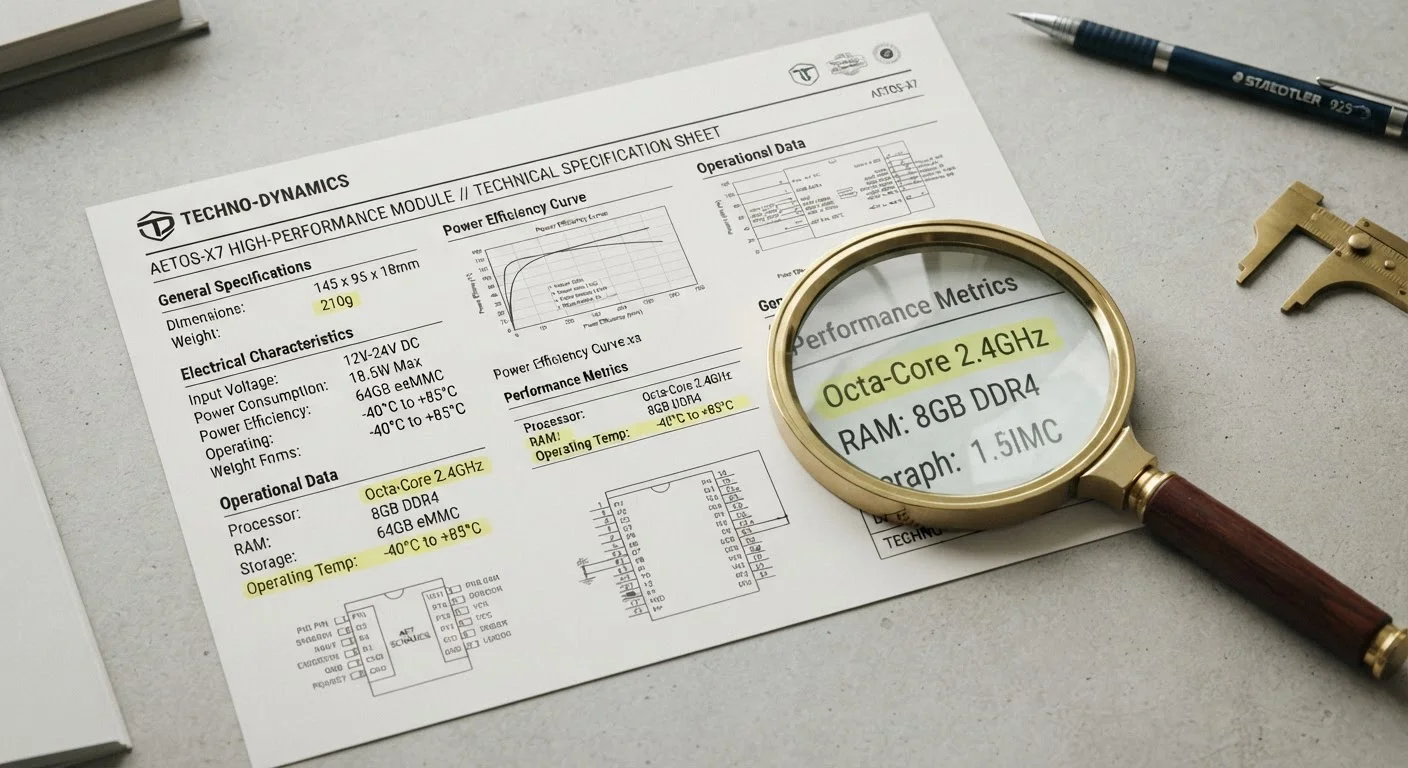
Photo: InsightsChief.com | Your Source Of Trusted Insights editorial
Key Takeaways
- Most spec sheets mix genuinely useful performance data with marketing-driven numbers that rarely affect real-world use.
- Anchoring your evaluation to your actual use case filters out irrelevant specs immediately.
- Independent testing bodies and verified user reviews often reveal how specs translate to real performance.
- Comparing specs across competing products exposes which numbers are table stakes and which differentiate quality.
- A pre-purchase checklist helps you apply spec knowledge to a final buying decision with confidence.
Why Spec Sheets Are Designed to Confuse
Product specification sheets serve two audiences simultaneously: engineers who need precise technical data, and marketers who need compelling numbers for the shelf or product listing. The result is a document that blends genuinely useful performance data with figures that exist primarily to look impressive. Understanding this tension is the first step to reading specs critically.
Manufacturers routinely emphasize whichever numbers benchmark highest in their favor, while burying or omitting figures that might invite unflattering comparisons. This is not deception in the legal sense - the numbers are usually accurate - but selective presentation can systematically mislead shoppers who don't know which metrics to prioritize. The same dynamic appears across product categories, from consumer electronics to appliances to sporting goods.
The skills covered in this guide complement broader evaluation frameworks. If you want a complete picture of how spec-reading fits into the full purchasing process, the smart buying from first principles guide covers the end-to-end arc of making an informed purchase.
Product spec sheet or listing page
The primary document you'll analyze to extract and evaluate technical specifications.
Independent review sources
Third-party publications and testing organizations that translate specs into real-world performance results.
Manufacturer's glossary or FAQ
Clarifies brand-specific terminology and explains how the manufacturer measures its own figures.
Comparison spreadsheet or notes app
Lets you list and compare relevant specs across multiple products without losing track.
How to Read Specs Without Getting Overwhelmed
The steps below give you a repeatable process for extracting the signal from any spec sheet - regardless of product category. Follow them in order: skipping the use-case definition at the start is the single most common reason consumers end up fixated on specs that don't affect their actual experience.
Define your use case before opening the spec sheet
Before reading a single number, write down in one or two sentences exactly how you plan to use the product. This anchors your evaluation. A laptop used primarily for spreadsheets has a completely different set of relevant specs than one used for video editing. Without a defined use case, every number on the page looks equally important - and none of them is.
Identify the three to five specs that drive performance for your use case
Every product category has a handful of specifications that genuinely predict real-world performance for a given task, and a longer list of numbers that are either secondary or largely irrelevant. For example, battery capacity (in watt-hours) matters far more than display refresh rate to someone who needs all-day portability. Research which specs carry the most weight in your category by checking consumer-focused editorial sources and industry testing summaries - not the manufacturer's own marketing copy.
Learn what each key spec actually measures
Once you have your short list, look up a plain-language definition of each term. Focus on what the spec measures in practice, not just its label. For instance, resolution on a display describes pixel count, but it says nothing about color accuracy or brightness - both of which affect what you actually see. Understanding the underlying measurement prevents you from being misled by a high number in a spec that doesn't address your core need.
[important_callout]Distinguish peak claims from typical-use figures
Scan the spec sheet for qualifiers like up to, maximum, or peak. These signal best-case figures measured under controlled conditions. Sustained or typical figures - when listed - are more representative of the performance you'll experience daily. If the sheet only lists peak values, search for independent lab reviews that measure sustained performance under real load.
[warning_callout]Cross-reference specs against independent test results
Manufacturer-reported specs are a starting point, not a verdict. Seek out independent reviews from publications that test products using consistent, repeatable methodology. Pay attention to whether real-world measurements match or fall short of claimed specs, and by how much. A gap between claimed and tested performance is a meaningful data point - and a pattern across multiple reviewers is more reliable than any single source.
Compare specs across two or three competing products
Place your key specs for at least two comparable products side by side. This comparison reveals two things: which differences are genuinely significant and which fall within a range where real-world performance is effectively identical. When competing products share nearly identical values for your key specs, other factors - warranty terms, repairability, or long-term cost - often become the more meaningful differentiators. For a framework on those factors, see the total cost of ownership guide.
[tip_callout]Apply your findings to a final pre-purchase check
With your spec analysis complete, run through a structured decision checklist before committing. Confirm that your top-priority specs are met, that no deal-breaking gaps exist between claimed and tested performance, and that the product fits your defined use case. The pre-purchase decision checklist is a practical tool for this final step. If you're evaluating an unfamiliar product category, the guide for evaluating unfamiliar products offers transferable principles that work regardless of what you're buying.
This article is for general informational and educational purposes only. It does not constitute personalized financial, legal, or professional advice. Always verify product specifications and test results through independent sources before making a purchase decision.
The content provided on our blog site traverses numerous categories, offering readers valuable and practical information. Readers can use the editorial team’s research and data to gain more insights into their topics of interest. However, they are requested not to treat the articles as conclusive. The website team cannot be held responsible for differences in data or inaccuracies found across other platforms. Please also note that the site might also miss out on various schemes and offers available that the readers may find more beneficial than the ones we cover.