
Low-Cost Ways to Keep a Dog Mentally and Physically Stimulated

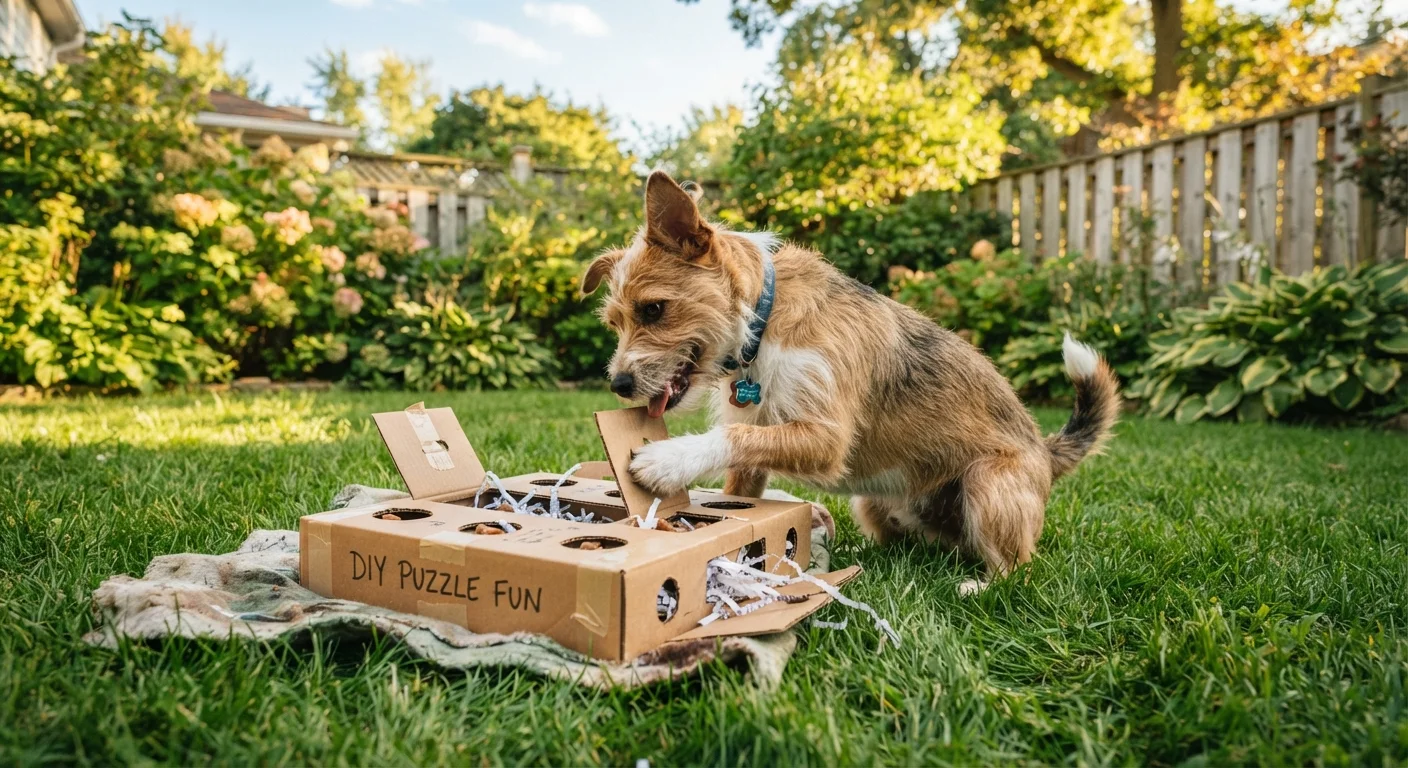
Photo: InsightsChief.com | Your Source Of Trusted Insights editorial
Key Takeaways
- Bored dogs are more likely to develop destructive habits like chewing and excessive barking.
- Most effective enrichment activities cost little or nothing and use items you already own.
- Mental stimulation can tire a dog out just as effectively as physical exercise.
- Rotating activities keeps novelty high and prevents dogs from losing interest.
- Free community resources like dog parks and hiking trails are underused enrichment tools.
Why a Bored Dog Is a Problem Worth Solving
A dog with nothing to do is a dog looking for something to do - and their solutions rarely align with yours. Chewed baseboards, excavated flower beds, relentless barking, and anxiety-driven pacing are common symptoms of under-stimulation rather than willful misbehavior. The good news is that the remedy is well within reach for budget-conscious households.
Dogs are cognitively complex animals. Studies in animal behavior have consistently shown that mental challenges - problem-solving, nose work, learning new behaviors - are as exhausting for dogs as physical exercise, sometimes more so. That means enrichment doesn't have to mean expensive gear, lengthy hikes, or paid doggy daycare. It means variety, novelty, and engagement.
This matters across every life stage. Whether you have a high-energy adolescent chewing through your patience or a calmer adult dog who just seems a bit flat, the strategies below are adaptable and, critically, affordable. They also fit naturally alongside broader pet care planning across your dog's life.
Enrichment Needs Vary by Breed and Age
DIY Snuffle Mats and Puzzle Feeders
You don't need to spend money on commercial puzzle toys when a rubber mat with fleece strips knotted through it does essentially the same job. Hide kibble or small treats in the folds and let your dog's nose do the work. This kind of nose work taps into a dog's natural foraging instinct and engages their brain deeply - many dogs will nap afterward simply from the mental effort involved.
Cardboard boxes, muffin tins covered with tennis balls, and egg cartons stuffed with kibble are equally effective zero-cost puzzle feeders. Swap out the configuration regularly so your dog faces a fresh challenge each time.
Nose work engages a dog's brain so deeply that many nap afterward from sheer mental effort.
Rotate Toys Instead of Buying New Ones
Dogs habituate quickly to familiar objects. A toy that's been sitting in the living room for three weeks holds almost no excitement. The fix is simple: divide your dog's toys into two or three groups, keep only one group accessible at a time, and swap them out every few days. Toys that felt boring suddenly feel new again.
This rotation strategy costs nothing and can make a modest toy collection feel twice as large. It's the same principle behind budget-friendly ways to keep kids engaged - novelty beats quantity every time.
Rotating toys every few days costs nothing and makes your existing collection feel brand new.
Use Free Outdoor Spaces Strategically
Dog parks are an obvious starting point, but varied terrain matters too. Walking the same neighborhood loop offers little mental stimulation because the smells become predictable. Changing your route - even just taking a different street - exposes your dog to fresh scents, sights, and sounds that keep their brain firing.
Wooded trails, grassy parks, and creek paths all offer rich sensory environments at no cost. Letting your dog take a "sniff walk" where they set the pace and investigate whatever catches their nose is considered by many animal behaviorists to be one of the most satisfying forms of enrichment for dogs.
A sniff walk, where the dog leads by nose, is one of the most satisfying enrichment experiences available.
Teach New Tricks Using Household Items
Training sessions are simultaneously mentally tiring and relationship-building. Short five-to-ten-minute sessions teaching new behaviors - rolling over, finding a hidden object, identifying named toys - provide genuine cognitive challenge. Research in animal cognition consistently shows that dogs thrive when they have tasks to solve.
You don't need special equipment. A laundry basket becomes an agility prop. A rolled towel becomes a balance challenge. Household stairs can become an impromptu fitness circuit. The investment is your time, not your wallet.
Five-minute daily training sessions challenge your dog's mind and deepen the human-animal bond.
Set Up a DIY Backyard Agility Course
Jumps made from pool noodles, weave poles made from garden stakes, and a tunnel fashioned from a children's play tunnel or large cardboard boxes can form a basic agility course for under ten dollars - often using items already in the garage or recycling bin. Running a course burns physical energy fast and requires the dog to think through sequences, which compounds the mental benefit.
A well-exercised, mentally satisfied dog is far less likely to chew furniture, bark incessantly, or dig up the yard. Keeping your dog stimulated this way can indirectly reduce vet visits related to stress behaviors - a point worth noting alongside strategies for keeping vet bills manageable.
A basic backyard agility course can be built from pool noodles and garden stakes for nearly nothing.
Organize Playdates with Neighbor Dogs
Socialization is enrichment. Off-leash play with a compatible dog - even in a backyard - provides physical exercise, social learning, and sensory stimulation that solo walks simply cannot replicate. Reach out to neighbors or local community groups to set up informal playdates. Many families with dogs are equally motivated to tire out their pets without spending money on doggy daycare.
Even two or three playdates a month can make a measurable difference in a dog's overall temperament and energy management. It's a free exchange that benefits both dogs and both households.
Regular off-leash playdates cost nothing and deliver exercise and social learning no solo walk can match.
Making Enrichment a Household Habit
The families who do this most successfully treat enrichment like any other daily routine - it's not a special event, it's just part of owning a dog. That might mean hiding kibble in a snuffle mat before work, doing a five-minute training session after dinner, or varying the walking route on weekends. Small, consistent investments of time add up quickly.
Keep Sessions Short and Frequent
Tracking enrichment as part of a regular pet care rhythm - alongside grooming, dental hygiene, and weight checks - helps prevent it from slipping. The monthly pet care checklist is a practical tool for building that structure. The goal isn't perfection; it's giving your dog enough variety and stimulation that boredom-driven problems don't take root in the first place.
The content provided on our blog site traverses numerous categories, offering readers valuable and practical information. Readers can use the editorial team’s research and data to gain more insights into their topics of interest. However, they are requested not to treat the articles as conclusive. The website team cannot be held responsible for differences in data or inaccuracies found across other platforms. Please also note that the site might also miss out on various schemes and offers available that the readers may find more beneficial than the ones we cover.