
The Real Difference Between Educational Play and Screen Time

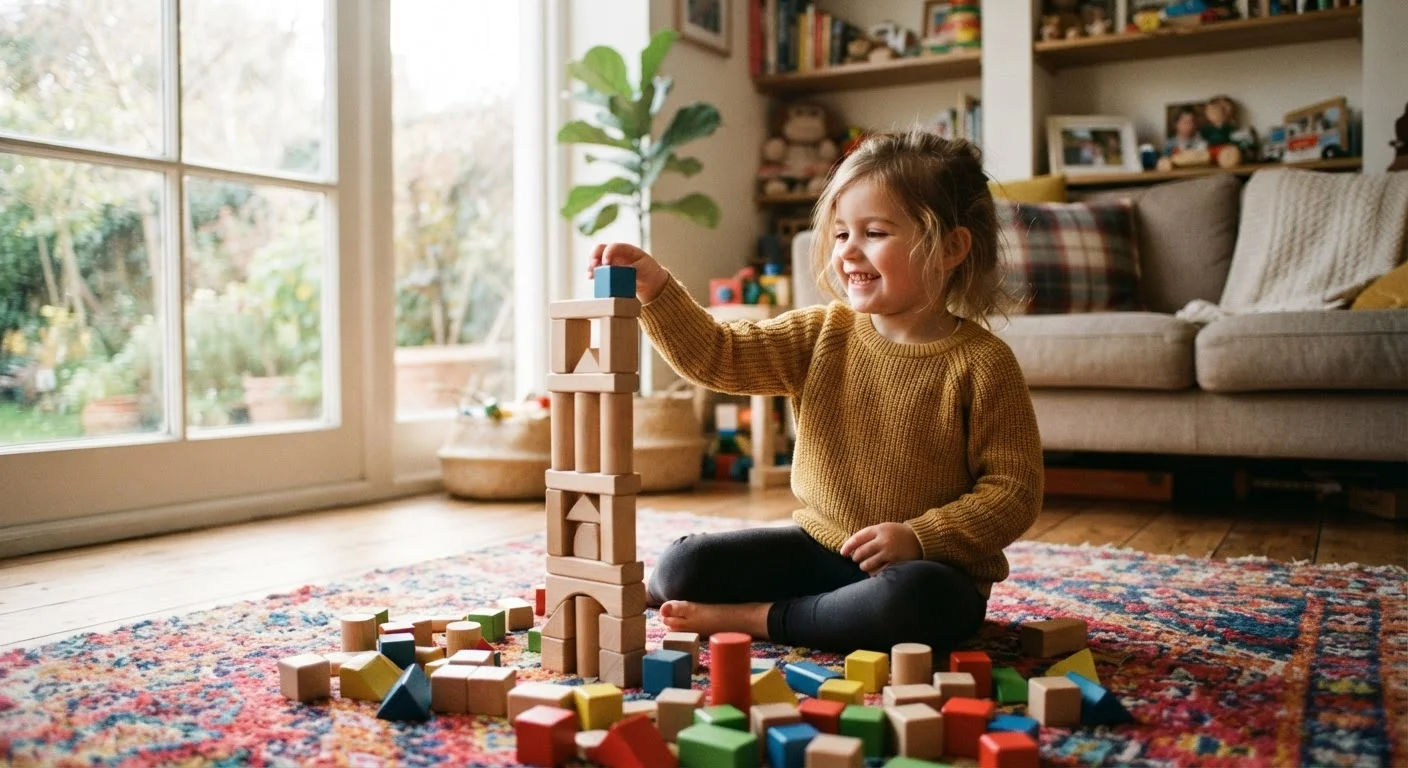
Photo: InsightsChief.com | Your Source Of Trusted Insights editorial
Key Takeaways
- Not all screen time is passive - interaction, pacing, and adult involvement matter significantly.
- Open-ended physical play consistently supports language, creativity, and problem-solving development.
- The quality of an activity matters more than the medium - digital or physical.
- Research suggests co-viewing or co-playing with screens dramatically improves learning outcomes for young children.
- Low-cost or no-cost play materials can be as developmentally rich as expensive educational technology.
Why the Debate Misses the Point
Every few months a new headline tells families that screens are either ruining childhood or secretly making kids smarter. The truth, as developmental researchers tend to find, lands somewhere far more nuanced. The real question isn't screen versus no screen - it's what any given activity asks of a child's brain.
Developmental psychologists generally define meaningful learning as active, iterative, and socially connected. When an activity checks those boxes - whether it's building with cardboard tubes or working through a well-designed interactive puzzle app - children are more likely to retain and apply what they encounter. When an activity is passive, repetitive, or socially isolated, the developmental payoff shrinks regardless of whether a screen is involved.
For budget-minded families, this reframe is actually good news: you don't need expensive technology to give kids rich learning experiences. You also don't need to throw out the tablet. You need to understand what's happening developmentally in each scenario. For a closer look at how screen use connects to emotional wellbeing, see what families should actually know about screen time and mental wellbeing.
Common Myths - And What the Evidence Actually Shows
Parents encounter a lot of confident claims about play and screens. Here's where the research pushes back on the most widespread misconceptions.
Myth
If an app is labeled 'educational,' it must support learning better than regular play.
Fact
The label 'educational' is a marketing term with no regulatory definition - the content and design matter far more than the label.
Research from groups such as the Joan Ganz Cooney Center has found that many apps marketed as educational offer little more than rote drilling or passive entertainment with an academic veneer. What actually predicts learning value is whether the app requires the child to make meaningful choices, receive feedback, and build on prior knowledge - features many labeled apps lack. Meanwhile, a child sorting pebbles by size or making up a story with stuffed animals is exercising classification and narrative skills without any label at all.
Myth
Screen time is essentially passive, while play is always active.
Fact
Screen activities exist on a wide spectrum from highly passive to genuinely interactive, and physical play can also become passive or rote.
A child mindlessly watching auto-playing videos is in a very different cognitive state than one using a coding game that requires trial, error, and problem-solving. Similarly, a child mechanically filling in a worksheet isn't in the same learning mode as one building an elaborate fort. The American Academy of Pediatrics has moved away from simple time-based screen guidelines for older children precisely because context and content quality matter more than raw minutes. The medium is less important than what it demands of the child.
Myth
Young children can learn just as well from a screen as from a real person.
Fact
Research documents a 'video deficit effect' - children under about three years old learn significantly less from video than from equivalent live interaction.
Multiple studies have shown that toddlers struggle to transfer information learned from a screen to the real world, a gap that narrows but doesn't fully close until closer to school age. The likely reason involves the social and contingent nature of live interaction: a real caregiver adjusts pace, follows the child's gaze, and responds to confusion in real time. Video cannot do this, even when the content is carefully designed. Co-viewing - where a parent watches and discusses alongside the child - substantially reduces this deficit by adding the responsive social layer screens inherently lack.
Myth
Unstructured play is just kids goofing around - it doesn't teach anything specific.
Fact
Unstructured, child-directed play is one of the most research-supported drivers of executive function, creativity, and social development.
Developmental researchers including those affiliated with the Center on the Developing Child at Harvard have documented that play - particularly free, imaginative play without adult-scripted outcomes - builds skills like impulse control, working memory, and cognitive flexibility. These are the same executive function skills predictive of academic and life success. When children invent the rules of a game, negotiate roles, and recover from a collapsed block tower, they're practicing skills that structured drills rarely reach. None of this requires expensive materials; open-ended household objects often work as well as purpose-built toys.
Myth
More screen time always means worse outcomes for kids.
Fact
Research shows the relationship between screen time and child outcomes is complex, and factors like content, context, and displacement of other activities matter most.
Large-scale studies, including analyses drawing on longitudinal cohort data, find that modest associations between high screen time and developmental concerns are often explained by what screen time is displacing - sleep, physical activity, and face-to-face interaction - rather than harm from screens themselves. Families with consistent bedtime routines, active outdoor time, and regular conversation tend to show smaller effects even with moderate screen exposure. This doesn't mean unlimited screen time is harmless, but it does mean the conversation is better focused on the whole day's balance than on screen minutes alone. See also how popular ideas about how children learn can be misunderstood.
What This Looks Like in an Everyday Household
Putting research into practice doesn't require a curriculum or a big budget. A few practical principles hold up well across age groups.
6x
Learning gain with co-viewing vs. solo screen time
Studies reviewed by the Joan Ganz Cooney Center suggest young children learn dramatically more from video content when a caregiver watches and discusses it with them.
75 min
Average daily free play time for U.S. school-age children
Research cited by the American Academy of Pediatrics indicates children's free play time has declined substantially over recent decades, raising concerns among developmental specialists.
~age 3
Age video deficit effect begins to significantly diminish
Developmental research consistently finds that the gap between screen-based and live-interaction learning narrows considerably as children approach preschool age.
Prioritize interaction over consumption. Whether your child is watching a video or playing with clay, the more they are doing, responding, and talking, the more they're likely to gain. Pause a video to ask what they think will happen next. Sit beside them during an app and narrate what you notice.
Mix mediums throughout the day. Physical play - especially unstructured, open-ended play - offers things screens genuinely can't: proprioceptive feedback, fine and gross motor development, and practice navigating real social dynamics. Research from developmental psychology consistently links free play to executive function growth, including self-regulation and flexible thinking.
If you're weighing digital learning tools, understanding what free and paid children's apps actually offer can help you make a more informed choice without overspending. And if you're ever unsure whether your child is genuinely absorbing an activity or just going through the motions, recognizing the signs of genuine engagement is a useful skill to develop.
For more practical guidance on raising kids on a real-world budget, the Parenting Tips hub is a solid starting point.
The content provided on our blog site traverses numerous categories, offering readers valuable and practical information. Readers can use the editorial team’s research and data to gain more insights into their topics of interest. However, they are requested not to treat the articles as conclusive. The website team cannot be held responsible for differences in data or inaccuracies found across other platforms. Please also note that the site might also miss out on various schemes and offers available that the readers may find more beneficial than the ones we cover.