
Usage-Based and Pay-Per-Mile Insurance: How They Work and Who Benefits

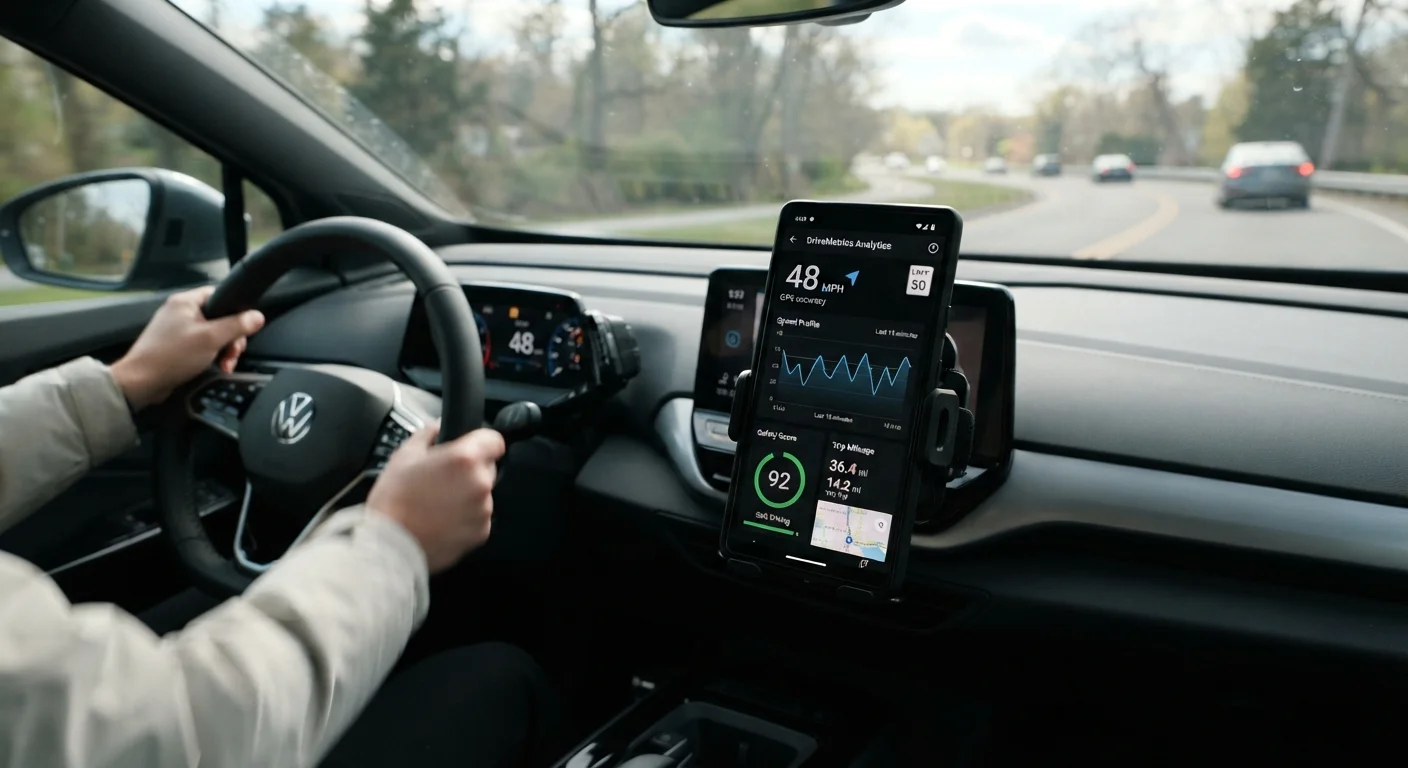
Photo: InsightsChief.com | Your Source Of Trusted Insights editorial
Key Takeaways
- Usage-based insurance ties your premium to real driving data rather than averages alone.
- Pay-per-mile policies charge a base rate plus a per-mile fee - ideal for low-mileage drivers.
- Telematics programs typically track speed, hard braking, rapid acceleration, and time of day.
- Drivers who commute infrequently or drive under roughly 8,000 miles per year often see the most savings.
- Privacy trade-offs are real: insurers collect and store granular location and behavior data.
- Not all programs work the same way - some only reward safe driving, while others can raise rates too.
The Two Models: Telematics and Pay-Per-Mile
Usage-based insurance is an umbrella term covering two distinct pricing approaches. Understanding which model a given policy uses is the first step to knowing whether it fits your situation.
Behavior-based telematics programs monitor how you drive. A plug-in OBD-II device or smartphone app logs data points - hard braking, speed, rapid acceleration, cornering, and time of day - and assigns a driving score. That score influences your renewal premium. Enrollment often comes with an upfront discount, but the real savings depend on your scored performance over the policy period.
Pay-per-mile insurance works differently. You pay a fixed monthly base rate (covering parked-car risks like theft or weather damage) plus a per-mile charge for every mile driven, typically measured by a plug-in device. The math is straightforward: drive fewer miles, pay less. Driving behavior generally isn't scored under this model - only distance matters.
For a broader overview of how standard coverage types work, see Car Insurance Decoded. To understand the demographic and historical factors that set your baseline rate, this breakdown of premium factors covers the full picture.
What Data Is Collected - and How It's Used
Telematics programs vary by insurer, but most collect a consistent set of data points:
- Miles driven - relevant in almost every UBI program
- Hard braking and rapid acceleration - the most commonly weighted behaviors
- Speeding events - time spent above posted limits or threshold speeds
- Time of day - late-night driving (typically midnight to 4 a.m.) is associated with higher accident risk and often scored negatively
- GPS location - collected by most app-based programs; used to verify mileage and sometimes to assess road types driven
This data is typically collected for the duration of the monitoring period - often 90 days for an initial discount evaluation, or continuously for ongoing pricing. Insurers retain the data according to their privacy policies, which vary. Before enrolling, it's worth reading how long data is stored and whether it can be shared with third parties.
Hard Braking Events Lack Context
One practical limitation: telematics programs generally cannot distinguish why a hard-braking event occurred. Slamming the brakes to avoid a child running into the street looks identical in the data to distracted driving. Some programs allow drivers to contest flagged events, but most do not.
Who Typically Benefits - and Who Doesn't
UBI programs aren't a universal win. Whether they help you depends heavily on your driving profile.
~12,000
Average miles driven per US driver annually
The Federal Highway Administration estimates the average American driver logs around 12,000-15,000 miles per year; drivers well below this range are the most likely candidates for pay-per-mile savings.
30%+
Potential premium reduction for ideal UBI candidates
Industry sources suggest that low-mileage, safe-driving participants in telematics programs can see discounts in the range of 10-30% or more, though individual results vary significantly based on program design and driving profile.
~70%
US insurers offering some form of UBI program
According to industry research, the majority of major US auto insurers now offer at least one usage-based or telematics-linked product, though program structures and data practices differ widely.
Likely to benefit:
- Low-mileage drivers - generally those under 8,000-10,000 miles per year
- Remote workers or retirees who drive primarily for errands
- Urban households with a second car that rarely leaves the garage
- Drivers with smooth, unhurried driving habits who brake gradually and avoid highway speeds
Less likely to benefit - or potentially disadvantaged:
- High-mileage commuters who drive 15,000+ miles annually
- Drivers who frequently travel late at night for work (nurses, rideshare drivers, shift workers)
- Those who drive in stop-and-go traffic, where hard-braking events accumulate even for attentive drivers
- Drivers uncomfortable sharing location and behavior data with their insurer
If you're unsure whether your mileage qualifies you for savings, overlooked auto insurance discounts - including traditional low-mileage discounts - may offer an alternative without the data-sharing trade-off.
Privacy Considerations Worth Knowing
Participating in a telematics program means consenting to ongoing data collection about where you go and how you drive. This is a genuine trade-off, not a minor detail buried in the fine print.
Key questions to ask before enrolling:
- What specific data is collected, and for how long is it retained?
- Can the data be shared with or sold to third parties?
- How is the data used - only for pricing, or also for claims investigation?
- What happens to the data if you leave the program or switch insurers?
Some drivers find the potential savings worth the privacy cost; others don't. Neither position is wrong - it depends on individual priorities. The important thing is making the decision with clear information rather than discovering the data scope after the fact.
For context on how standard rating factors already shape what you pay, see why your premium is what it is. And for strategies that don't involve data sharing, lowering your premium without sacrificing protection covers a range of conventional options.
Telematics programs can be a legitimate tool for reducing costs - but like any insurance decision, they deserve the same careful review you'd give any policy change. A licensed insurance agent can help you assess whether a specific program makes sense for your driving profile and household budget. This article provides general information only and is not personalized insurance or financial advice.
Coverage terms, data practices, and program availability vary significantly by insurer and state. Always review the full policy and privacy documents before enrolling, and consult a licensed insurance professional for guidance specific to your situation.
Frequently Asked Questions
The content provided on our blog site traverses numerous categories, offering readers valuable and practical information. Readers can use the editorial team’s research and data to gain more insights into their topics of interest. However, they are requested not to treat the articles as conclusive. The website team cannot be held responsible for differences in data or inaccuracies found across other platforms. Please also note that the site might also miss out on various schemes and offers available that the readers may find more beneficial than the ones we cover.